The Online Romance That Cost Me My Life Savings (Part 3)
July 30, 2026
Com 0
By Jackson Godwin. Cybersecurity Analyst & Penetration Tester.
I Finally Asked Questions
After discovering that the profile photos appeared elsewhere online, I couldn’t ignore my doubts any longer.
Instead of confronting them immediately, I started asking simple questions.
Questions any genuine partner should have been able to answer.
I asked about:
Their workplace.
Their hometown.
The people they claimed were helping them.
Their travel plans.
The answers became increasingly vague.
Sometimes they changed details they had previously told me.
That was the moment I realised something was seriously wrong.
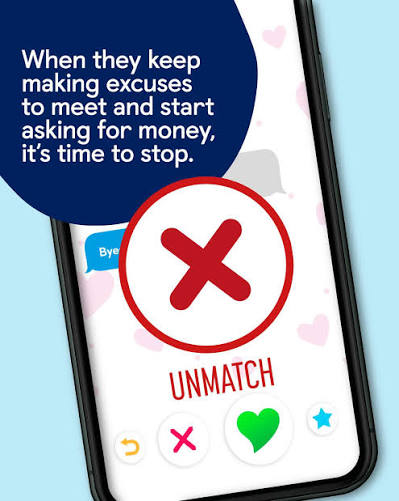
I Suggested One Last Video Call
I decided to give them one final opportunity.
I sent a message.
“Let’s have a five-minute video call tonight. After that, I’ll know everything is okay.”
Their reply came almost immediately.
“I’m sorry, I can’t.”
This time the excuse was different.
They claimed their phone camera had been damaged during their emergency.
After months of conversations, there was still no successful video call.
That wasn’t bad luck.
It was a pattern.
I Contacted the Dating Platform
I reported the account to the dating app.
I also uploaded screenshots of our conversations.
A short time later, I received a response.
The platform confirmed they were investigating the account for suspicious activity.
Not long afterwards, the profile disappeared.
Whether it had been removed or deleted, I never heard from that account again.
Then the Truth Became Clear
Once the profile disappeared, I started researching romance scams.
Everything matched my experience.
The fake identity.
The emotional connection.
The repeated emergencies.
The promises to repay me.
The refusal to meet.
The requests for money.
I wasn’t in a unique situation.
I had become the victim of a well-known cyber-enabled scam.
The Emotional Damage Was Worse Than the Financial Loss
Losing money hurt.
But losing trust hurt even more.
For months, I believed someone genuinely cared about me.
I had shared my thoughts.
My hopes.
My future plans.
None of it had been real.
The cybercriminal hadn’t just targeted my bank account.
They had manipulated my emotions.
I Decided to Warn Others
After accepting what had happened, I made a decision.
I wasn’t going to keep quiet.
I shared my experience with close friends and family.
To my surprise, several people admitted they had received similar messages online.
Some had ignored them.
Others had almost fallen for them.
That conversation made me realise how common romance scams have become.
The Scam Could Have Been Stopped Earlier
Looking back, one simple action could have ended everything much sooner.
Independent verification.
If I had insisted on confirming the person’s identity before becoming emotionally invested, I might never have sent any money.
Trust is important in every relationship.
But online, trust should always be supported by verification.
One Lesson Changed Everything
Today, I still believe genuine relationships can begin online.
Many people meet their partners through dating apps and social media.
But I also know that not every profile represents a real person.
That experience taught me to balance kindness with caution.
In the final part of this story, I’ll share the biggest warning signs of romance scams, practical ways to protect yourself, and the cybersecurity lessons I wish I had learned much earlier.
Continue Reading:The Online Romance That Cost Me My Life Savings (Part 4)