


By Jackson Godwin. Cybersecurity Analyst & Penetration Tester.
The Biggest Warning Signs I Ignored
After everything was over, I looked back at the relationship from the beginning.
The warning signs had always been there.
I just didn’t recognise them because my emotions were stronger than my doubts.
Here are the lessons I wish I had known sooner.
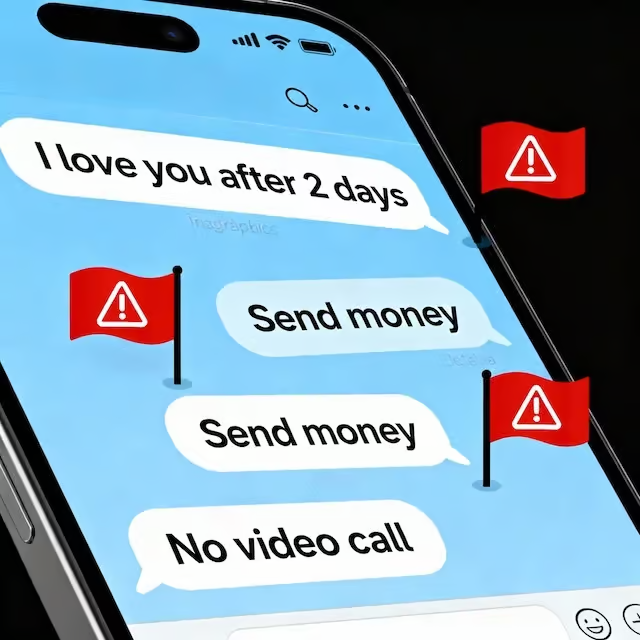
🚩 They Fell in Love Too Quickly
Within a few weeks, they were saying things like:
“I’ve never met anyone like you.”
“I think we’re meant to be together.”
“I can already picture our future.”
At the time, those words made me feel special.
Now I know that many romance scammers create an emotional connection as quickly as possible to lower a victim’s guard.
Healthy relationships usually take time to grow.
🚩 There Was Always a Reason We Couldn’t Meet
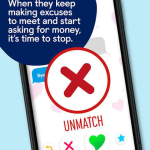
Whenever I suggested meeting in person or having a live video call, something always went wrong.
There was:
- A family emergency.
- A broken phone.
- A business trip.
- Poor internet.
- A medical problem.
One excuse might be understandable.
Months of excuses should raise questions.
🚩 Every Conversation Led Back to Money
At first, they never mentioned money.
Then came one emergency.
After that, another.
Soon, financial problems became a regular topic of conversation.
The requests became larger and more frequent.
Promises to repay me never turned into action.
🚩 They Asked Me to Keep the Relationship Private
One message stood out.
“Please don’t tell anyone about us yet. People won’t understand our relationship.”
At the time, I thought they wanted privacy.
Looking back, I realised they wanted isolation.
Scammers often discourage victims from talking to friends or family because another person might recognise the warning signs.
🚩 They Used My Emotions Against Me
Whenever I hesitated, they never threatened me.
Instead, they appealed to my emotions.
They said things like:
“I thought you trusted me.”
“If you loved me, you would help.”
“You’re the only person I can rely on.”
Those messages were designed to make me feel guilty.
It wasn’t love.
It was manipulation.
How to Protect Yourself From Romance Scams
If you meet someone online, these habits can help reduce your risk.
Verify Their Identity
Before becoming emotionally or financially invested:
- Arrange a live video call.
- Verify information through independent sources where appropriate.
- Be cautious if they consistently avoid face-to-face communication.
Never Send Money to Someone You’ve Never Met
No matter how convincing the story sounds:
- Don’t send bank transfers.
- Don’t buy gift cards.
- Don’t send cryptocurrency.
- Don’t share online banking credentials.
A genuine relationship should never depend on proving your love with money.
Be Careful With Personal Information
Avoid sending:
- Passport copies.
- National identity documents.
- Banking information.
- Passwords.
- One-time verification codes.
Those details can be used for identity theft or financial fraud.
Listen to Trusted Friends
If family or friends express concerns about an online relationship, don’t dismiss them immediately.
An outside perspective may notice warning signs that emotional involvement makes difficult to see.
Report Suspicious Accounts
If you believe you’re dealing with a romance scammer:
- Report the account through the dating app or social media platform.
- Stop sending money.
- End communication if appropriate.
- Keep records of conversations if you need to report the incident to relevant authorities.
Frequently Asked Questions
Are romance scams common?
Yes.
Romance scams affect people around the world and are responsible for significant financial losses each year. Scammers commonly use dating apps, social media platforms and messaging services to build trust before requesting money.
Why do scammers spend so much time building relationships?
Trust increases the chances that a victim will believe an emergency story and agree to send money.
The emotional connection is often the scammer’s most powerful tool.
Can anyone become a victim?
Yes.
Romance scammers target people from many different backgrounds, professions and age groups.
The scam succeeds by exploiting human emotions, not technical weaknesses.
Final Thoughts
The cybercriminal never hacked my computer.
They never guessed my password.
They never broke into my bank account.
Instead, they convinced me to unlock my own defences.
That experience changed the way I think about cybersecurity.
Security isn’t only about protecting devices.
It’s also about protecting trust.
Today, I follow one simple rule whenever I build a relationship online:
If someone refuses reasonable verification but asks for money, I walk away.
Real love grows through honesty, respect and transparency.
Scams grow through secrecy, pressure and manipulation.
Knowing the difference can protect not only your savings—but also your peace of mind.
About the Author
Jackson Godwin is a Cybersecurity Consultant specialising in Vulnerability Assessment and Penetration Testing (VAPT), Governance, Risk and Compliance (GRC), ISO/IEC 27001, PCI DSS, Cloud Security, AI Security, and Digital Risk Management.
Through JacksonTechnology.com.ng, he publishes cybersecurity awareness stories, ethical hacking tutorials, compliance guides, and practical online safety advice to help individuals and organisations recognise cyber threats and stay secure in an increasingly connected world.
His mission is simple: make cybersecurity understandable, practical, and accessible for everyone—one story at a time.