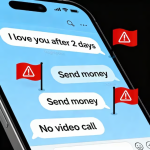
The Online Romance That Cost Me My Life Savings (Part 2)
July 30, 2026
Com 0
By Jackson Godwin. Cybersecurity Analyst & Penetration Tester.
One Emergency Became Another
A few days after I sent the first payment, I expected everything to return to normal.
Instead, another problem appeared.
This time, they claimed there had been a delay in accessing their funds.
They apologised repeatedly.
“I’m so embarrassed.”
“I hate asking you again.”
The request sounded temporary.
Again.
I told myself it would be the last time.
Every Story Sounded Believable
Over the following weeks, there always seemed to be another unexpected crisis.
According to them:
A payment had been delayed.
A travel problem had occurred.
Important documents were being processed.
An unexpected bill had appeared.
Each explanation sounded reasonable on its own.
It wasn’t one huge request.
It was a series of smaller emergencies.
Looking back, I realised that was intentional.
They Always Promised to Repay Me
Every time I helped, they reassured me.
“As soon as my account is fixed, I’ll send everything back.”
“I could never forget what you’ve done for me.”
They even talked about our future together.
They said the money didn’t matter because we would soon be together.
That made the transfers feel like helping my future partner rather than sending money to a stranger.
They Became Part of My Daily Life
Our conversations continued every day.
We laughed.
We shared photos.
We talked about dreams and future plans.
Whenever I started feeling uncertain, they reminded me how much they cared about me.
The emotional connection made it difficult to question their stories.
The relationship felt real.
Friends Started Asking Questions
One evening, a close friend noticed I seemed worried.
When I explained what had been happening, they asked a simple question.
“Have you ever actually met this person?”
I paused.
No.
We had spoken for months.
But we had never met in person.
Then Came Another Excuse
I suggested arranging a video call.
Once again, there was a reason it couldn’t happen.
Poor internet.
Broken camera.
Busy schedule.
Family emergency.
There was always another explanation.
At the time, I accepted every one.
Now I realise that avoiding face-to-face communication was one of the biggest warning signs.
The Requests Became Larger
As my trust grew, so did the financial requests.
The amounts gradually increased.
Each request was accompanied by reassurance.
“This is the last time.”
“Everything will be different after this.”
I believed those promises because I wanted the relationship to be genuine.
Hope made it harder to recognise the pattern.
The Truth Finally Began to Appear
One day, I decided to verify something they had told me.
I searched one of the photographs they had sent.
The same image appeared on several websites under different names.
That discovery shook me.
If the photographs weren’t genuine, what else had been false?
For the first time, I seriously considered the possibility that I wasn’t talking to the person I believed I knew.
In the final part of this article, I’ll explain how I confirmed the romance scam, the warning signs I wish I had recognised earlier, and the lessons that can help protect others from losing both their money and their trust.
Continue Reading:The Online Romance That Cost Me My Life Savings (Part 3)