By Jackson Godwin. Cybersecurity Analyst & Penetration Tester.
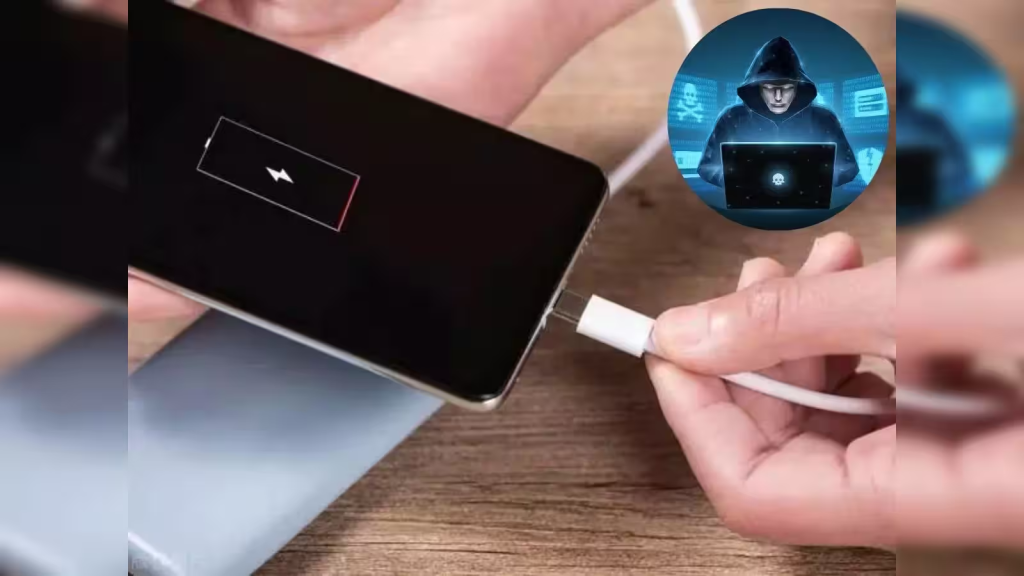
Why I Never Charge My Phone at Public USB Charging Stations
Disclaimer: This article is based on a fictional scenario inspired by real mobile security discussions and cybersecurity best practices. The purpose is to educate readers about potential risks and practical ways to stay safe.
My Phone Was About to Die…
Three years ago, I was travelling for work.
After several meetings, my phone battery had dropped to just 2%.
I still needed my phone to call a ride, check directions, and contact a client.
Then I noticed something that looked like the perfect solution.
A free USB charging station.
People were already using it.
Some were charging Android phones.
Others had iPhones connected.
It looked completely safe.
I reached into my pocket, took out my charging cable, and was about to plug it in.
Then I remembered something I had read during a mobile security training session.
“When you plug your phone into an unknown USB port, you may be connecting to more than electricity.”
That sentence stayed in my mind.
I stepped away from the charging station.
Instead, I bought a bottle of water from a nearby shop and asked if I could use a normal wall power outlet for a few minutes.
The shop owner agreed.
My phone charged safely, and I continued my journey.
Looking back, that simple decision made me think more deeply about a question many people never ask:
Is every public USB charging station actually safe?
What Is “Juice Jacking”?
The term juice jacking refers to a situation where a compromised USB charging connection could attempt to transfer data or interact with a connected device, not just provide power.
Researchers have demonstrated these types of attacks in controlled environments, and cybersecurity professionals have discussed them for years.
However, it’s important to understand that the actual risk depends on the charging station.
Many public USB ports simply deliver electricity and are not designed to transfer data.
Others may support both power and data.
Because users usually cannot tell the difference just by looking, cybersecurity experts often recommend taking precautions.
Should You Be Worried?
The good news is that modern smartphones include stronger security protections than they did several years ago.
For example:
- Many devices ask whether you want to trust a connected computer.
- Operating systems have improved USB security.
- Some charging stations are power-only.
Even so, caution is still a sensible approach—especially when you don’t know who owns or maintains the charging station.
Instead of assuming every public USB port is dangerous, a better mindset is:
Treat unknown charging stations the same way you treat unknown Wi-Fi networks: use them carefully and only when necessary.
(Continue with sections explaining realistic risks, myths versus facts, safe charging habits, the benefits of carrying your own charger or power bank, FAQs, and your About the Author section.)
About the Author
Jackson Godwin is a Cybersecurity Consultant specializing in Vulnerability Assessment and Penetration Testing (VAPT), Governance, Risk and Compliance (GRC), ISO/IEC 27001, PCI DSS, Cloud Security, AI Security, and Digital Risk Management.
Through JacksonTechnology.com.ng, he publishes practical cybersecurity tutorials, penetration testing guides, cloud security insights, compliance resources, and security awareness articles to help individuals and organizations make safer decisions in an increasingly connected world.