The Woman I Met Online Was Using AI Photos (Part 3)
July 30, 2026
Com 0
By Jackson Godwin. Cybersecurity Analyst & Penetration Tester.
I Decided to Stop Guessing
Instead of relying on my suspicions, I wanted proof.
I politely explained that I was becoming serious about our relationship.
Then I said:
“Before we continue, I’d really like us to have a live video call.”
I even suggested a call that would last only five minutes.
If she was genuine, that should have been easy.
Every Excuse Sounded Familiar
Her reply arrived a few minutes later.
“I’m travelling today.”
The following day she said:
“My internet keeps disconnecting.”
A few days later:
“I’m not feeling well.”
Then:
“My phone camera has stopped working.”
The excuses kept changing.
But the result was always the same.
No video call.
I Tested Something Simple
Instead of asking for another call, I made a different request.
I asked her to send a casual photo holding a piece of paper with today’s date written on it.
Nothing complicated.
Just one natural picture.
She refused.
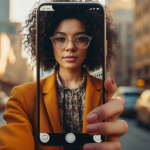
Instead, she sent another professionally polished image.
That was the moment I realised something wasn’t right.
Then the Money Conversation Started
Almost immediately after I stopped asking about the photos, the conversation changed.
She mentioned an exciting investment opportunity.
She said:
“I’ve been making good money online.”
A few days later she suggested we could build our future together if we both invested.
She wasn’t interested in proving her identity anymore.
She was interested in gaining my trust.
Everything Finally Made Sense
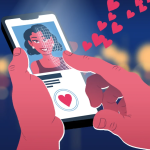
Looking back, I realised the fake profile had been carefully designed.
The AI-generated photographs attracted attention.
The friendly conversations built trust.
The emotional connection lowered my guard.
The investment opportunity was the real objective.
The fake identity was simply the doorway into the scam.
Why Cybercriminals Are Using AI Photos
Artificial intelligence has made it easier for criminals to create convincing fake identities.
Unlike stolen photographs, AI-generated images may not belong to a real person.
That makes them harder to trace through reverse image searches.
Combined with convincing stories and emotional manipulation, these images can help scammers create profiles that appear authentic.
However, an attractive profile alone does not prove someone is genuine.
Verification still matters.
How to Protect Yourself From AI Romance Scams
If you meet someone online:
Verify Their Identity
Arrange a live video conversation before becoming emotionally or financially invested.
Repeated excuses should encourage caution.
Be Careful With Perfect Profiles
A profile filled only with flawless photographs isn’t necessarily fake.
But if everything appears unusually perfect and nothing feels natural, take time to verify.
Never Invest Because Someone You Met Online Suggested It
Whether it’s:
Cryptocurrency.
Forex.
Stocks.
Online businesses.
Research the opportunity independently before investing.
Never rely solely on advice from someone you’ve only met online.
Watch for Emotional Pressure
If someone responds to reasonable verification requests with guilt, anger or emotional manipulation instead of simple proof, that’s an important warning sign.
Trust, But Verify
Healthy relationships welcome honesty.
Scams often depend on avoiding it.
Frequently Asked Questions
Can AI create realistic profile photos?
Yes.
Modern AI tools can generate highly realistic human faces that do not belong to real people.
These images are increasingly being misused in fake online profiles.
Does a reverse image search always detect AI images?
No.
Because many AI-generated images are newly created rather than copied from existing websites, reverse image searches may not find any matches.
Does refusing a video call always mean someone is a scammer?
Not necessarily.
Some people may have genuine reasons for declining occasionally.
However, repeated refusal over a long period—especially when combined with requests for money, investment opportunities or emotional pressure—deserves careful attention.
Final Thoughts
Artificial intelligence is transforming many industries.
Unfortunately, cybercriminals are also finding ways to misuse it.
The profile I trusted looked real.
The conversations felt real.
The emotions were real.
But the identity behind the photographs almost certainly wasn’t.
That experience taught me one lesson I will never forget:
Never mistake a convincing profile for a verified person.
In today’s digital world, trust should always be supported by verification.
The safest relationships—online and offline—are built on honesty, transparency and evidence, not just beautiful pictures.
About the Author
Jackson Godwin is a Cybersecurity Consultant specialising in Vulnerability Assessment and Penetration Testing (VAPT), Governance, Risk and Compliance (GRC), ISO/IEC 27001, PCI DSS, Cloud Security, AI Security and Digital Risk Management.
Through JacksonTechnology.com.ng, he publishes cybersecurity awareness stories, ethical hacking tutorials, compliance guides and practical online safety advice to help individuals and organisations recognise cyber threats, avoid scams and stay secure in an AI-driven digital world.
His mission is to make cybersecurity practical, relatable and accessible—one cyberstory at a time.