



By Jackson Godwin. Cybersecurity Analyst & Penetration Tester
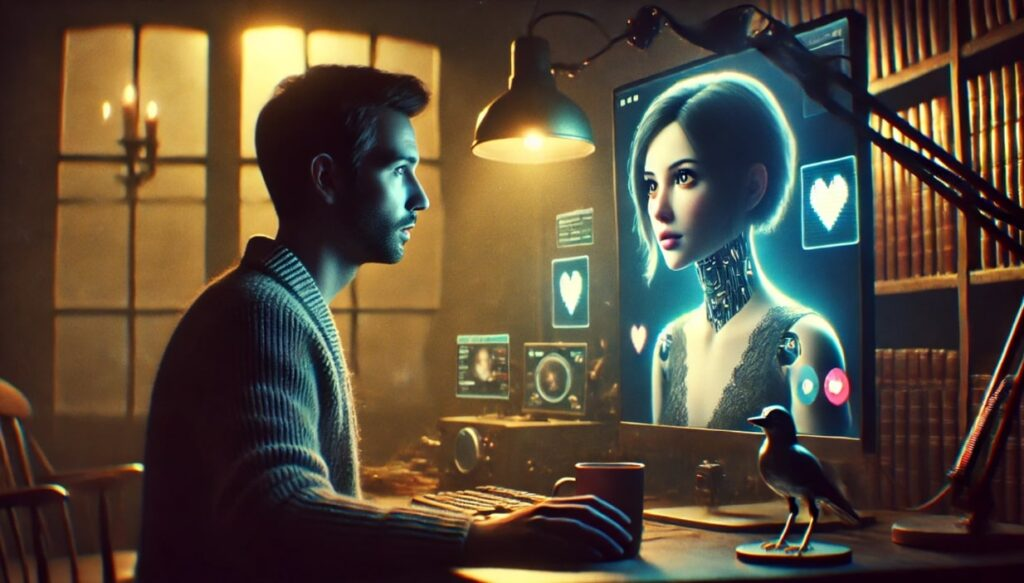
The Romance Scammer Who Used Deepfake Videos
Disclaimer: This story is fictional but inspired by real reports of cybercriminals using artificial intelligence and deepfake technology to deceive victims. It is written to educate readers about emerging cyber threats and online safety.
I Thought Video Calls Meant Someone Was Real
For years, I had heard the same advice.
“If you’re unsure about someone online, ask for a video call.”
It seemed like the perfect way to verify a person’s identity.
Photos can be stolen.
Profiles can be fake.
Messages can be written by anyone.
But surely a live video conversation couldn’t be faked.
At least, that’s what I believed.
We Met Through Social Media
She contacted me after commenting on one of my posts.
Our conversations started casually.
We discussed:
- Careers.
- Family.
- Travel.
- Technology.
- Future plans.
She never rushed the relationship.
She didn’t ask for money.
She didn’t send suspicious links.
Everything felt natural.
Then We Started Video Calling
After a few weeks, she agreed to a video call.
I felt relieved.
Seeing her face made me believe she was exactly who she claimed to be.
She smiled.
She laughed.
She answered simple questions.
The conversation wasn’t perfect.
Occasionally, the video froze for a second or two.
I assumed it was just a poor internet connection.
I never questioned it.
The Calls Were Always Short
Something unusual happened during every conversation.
The video calls rarely lasted more than five or six minutes.
Whenever I tried to continue chatting, she would say things like:
“My internet is unstable.”
“My battery is almost dead.”
“I have another meeting.”
At the time, those explanations sounded completely reasonable.
Tiny Details Didn’t Seem Important
During one call, I noticed her lips seemed slightly out of sync with her voice for a brief moment.
Another time, her facial movements looked slightly unnatural when she turned her head.
The lighting around her face occasionally changed strangely.
I blamed:
- Slow internet.
- Video compression.
- Network delays.
I never imagined artificial intelligence could be responsible.
My Trust Grew Stronger
Because we had spoken on video, I became much more confident.
I thought:
“This can’t possibly be a fake profile.”
The video calls gave me exactly what I wanted.
Proof.
Or at least, what I believed was proof.
That confidence made me trust her even more than before.
Then She Shared Some Exciting News
One evening, she told me she had discovered an incredible investment opportunity.
She wasn’t asking me for money.
Instead, she claimed she wanted us to build a better future together.
She said:
“I want both of us to succeed.”
Because I believed I had already verified her identity through video calls, I lowered my guard completely.
I had no idea that the person on my screen might not have been real at all.
(Continue in Part 2, where I’ll explain the strange things I noticed during our video calls, reveal how deepfake technology can create convincing fake conversations, and describe the moment I realised I had been deceived by artificial intelligence.)