By Jackson Godwin. Cybersecurity Analyst & Penetration Tester.
The Password Manager That Saved My Life
Disclaimer:This story is fictional but inspired by real password-related security incidents. It is written to educate readers about password security, credential theft and the importance of using unique passwords.
I Thought My Passwords Were Strong Enough
For years, I believed I had good password habits.
I avoided simple passwords like:
123456
Password123
My name and birth year
I used combinations of letters, numbers and symbols.
I thought that was enough.
But there was one mistake I was making that millions of people still make.
I was reusing some passwords across different accounts.
The Convenience Trap
Using the same password on multiple websites felt convenient.
One password was easier to remember.
One password meant less stress.
Whenever I created a new account, I sometimes modified an old password slightly.
Maybe I changed a number.
Added a symbol.
Changed the capitalisation.
At the time, it felt like a reasonable security measure.
It wasn’t.
Then I Received an Unexpected Alert
One evening, I received a security notification.
It informed me that suspicious activity had been detected on one of my online accounts.
At first, I thought it was just another random security email.
But when I checked the details, I noticed something worrying.
Someone had attempted to log in from a location I didn’t recognise.
My First Thought Was My Password
I immediately changed the password for that account.
Then I started thinking about other websites where I had used a similar password.
Email.
Social media.
Online shopping accounts.
Work-related platforms.
Suddenly, I realised the problem was bigger than one account.
One Leaked Password Could Affect Everything
The danger wasn’t just that one website had been targeted.
The real problem was password reuse.
If criminals obtain a password from one compromised website, they often try the same username and password combination on other popular services.
This technique is called credential stuffing.
Attackers don’t always need to break into every account individually.
Sometimes they simply test stolen passwords against many websites.
I Decided to Change Everything
I knew I needed a better approach.
But there was a problem.
I had many online accounts.
Creating a completely different, strong password for every single one seemed impossible.
How could I remember dozens of complex passwords?
That was when I decided to try a password manager.
My First Experience With a Password Manager
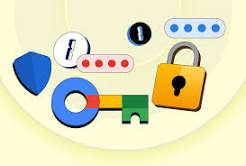
A password manager allowed me to:
Generate strong passwords.
Store them securely.
Automatically fill login details.
Avoid remembering every password individually.
Instead of creating passwords myself, I let the password manager generate random combinations that were almost impossible to guess.
The Biggest Change Was Simple
Before using a password manager, my thinking was:
“I need passwords I can remember.”
After using one, my thinking changed:
“I need passwords that criminals cannot guess.”
The password manager handled the memory problem.
I only needed to protect one strong master password.
Then Another Security Alert Appeared
Months later, another website I used announced a data breach.
My email address was among the affected accounts.
I immediately checked my password manager.
The password I had used on that website was completely unique.
It wasn’t used anywhere else.
That meant the breach was limited to that single account.
My other accounts remained protected.
A Small Tool Made a Big Difference
That experience taught me something important.
Cybersecurity isn’t always about advanced technology.
Sometimes it’s about fixing simple habits.
A password manager didn’t make me invisible to attackers.
But it removed one of the biggest risks I had:
Using the same password in multiple places.
(Continue in Part 2, where I’ll explain how password managers protect users, why many people still avoid them, and the common myths that stop people from improving their password security.)