


By Jackson Godwin. Cybersecurity Analyst & Penetration Tester.
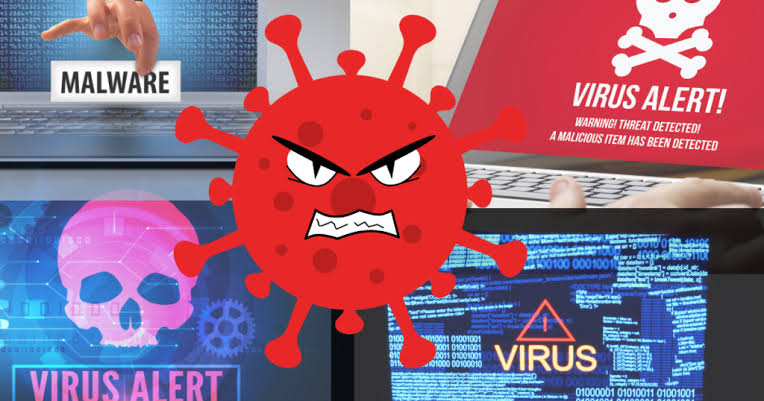
In Part 2, we learned how rogue antivirus software tricks victims into installing malware and why cybercriminals use fear to steal money and personal information.
In this final section, you’ll learn how to protect yourself, what to do if you’ve installed fake antivirus software, and the important cybersecurity lessons everyone should remember.
How to Download Antivirus Software Safely
The safest way to download antivirus software is directly from the official developer’s website.
Avoid downloading security software from:
- Unknown download websites
- Pop-up advertisements
- Links sent through email
- Social media advertisements
- Random blog posts with download buttons
Instead, visit the official websites of trusted cybersecurity companies.
Examples include:
- Microsoft Defender
- Bitdefender
- Kaspersky
- ESET
- Norton
- Malwarebytes
- Avast
- AVG
- Trend Micro
Downloading directly from the developer greatly reduces the risk of installing fake software.
What To Do If You Installed Fake Antivirus Software
If you believe you’ve installed rogue antivirus software, act quickly.
1. Disconnect from the Internet
Disconnect your Wi-Fi or unplug your network cable.
This helps stop malware from communicating with attackers or downloading additional malicious files.
2. Do Not Enter Passwords
Avoid logging into:
- Email accounts
- Online banking
- Shopping websites
- Cryptocurrency wallets
- Social media accounts
Assume anything you type could be monitored until your computer is cleaned.
3. Run a Trusted Security Scan
Use a legitimate antivirus program from a trusted vendor to scan your computer.
Remove any detected malware or suspicious applications.
4. Change Your Passwords
After confirming your computer is clean, immediately change passwords for:
- Banking
- Social media
- Cloud storage
- Work accounts
Always create strong, unique passwords for each account.
5. Enable Multi-Factor Authentication (MFA)
Even if a password is stolen, Multi-Factor Authentication (MFA) adds another layer of protection.
Whenever possible, enable MFA on:
- Banking
- Cloud services
- Social media
- Work accounts
Cybersecurity Lessons I Learned
Looking back, several simple mistakes led to the infection.
I should have:
- Downloaded software only from official websites.
- Researched the company before installing anything.
- Ignored scare tactics claiming hundreds of viruses.
- Verified reviews from trusted sources.
- Kept my operating system updated.
- Used built-in security tools until I selected a trusted antivirus.
One careless download nearly cost me my personal information.
How You Can Stay Safe
Protecting yourself doesn’t require expensive software.
Good cybersecurity habits make a significant difference.
Follow these best practices:
- Download software only from official websites.
- Keep Windows, macOS, and applications updated.
- Avoid clicking alarming pop-ups.
- Be skeptical of “Your computer is infected!” messages.
- Enable Multi-Factor Authentication.
- Use strong, unique passwords.
- Regularly back up important files.
- Scan downloads before opening them.
- Verify reviews before installing unfamiliar software.
Cybersecurity begins with informed decisions.
Frequently Asked Questions
Are free antivirus programs always fake?
No.
Many legitimate cybersecurity companies offer free antivirus products with limited features.
The danger comes from downloading software from unofficial or untrusted sources.
Can fake antivirus software steal passwords?
Yes.
Some rogue antivirus programs install password-stealing malware, keyloggers, or browser data stealers.
Can Windows Defender protect against fake antivirus software?
Microsoft Defender provides strong protection against many threats, especially when Windows is fully updated.
However, no security solution is perfect. Safe browsing habits remain essential.
Should I pay a fake antivirus company?
No.
Paying does not guarantee your computer will be cleaned, and it may encourage further scams or expose your financial information.
Is reinstalling Windows necessary?
Not always.
If malware is severe or cannot be completely removed, reinstalling Windows may be the safest option.
A qualified cybersecurity professional can help determine the best course of action.
Final Thoughts
Cybercriminals no longer rely only on sophisticated hacking techniques. Many attacks succeed because they exploit trust, fear, and urgency.
Fake antivirus software is a perfect example.
It pretends to protect your computer while secretly compromising it.
The experience taught me that cybersecurity is not just about installing security software—it’s about making informed decisions every time you download a file, click a link, or install an application.
Always verify software before installing it, download programs only from official sources, and remain cautious of anything that pressures you to act immediately.
A few minutes of verification today can save you from weeks of recovery tomorrow.
About the Author
Jackson Godwin is a Cybersecurity Consultant and Vulnerability Assessment & Penetration Testing (VAPT) Specialist with over five years of professional experience in cybersecurity. He specializes in web application security, network security, cloud security, Governance, Risk & Compliance (GRC), ISO/IEC 27001, PCI DSS, AI security, and digital risk management.
Throughout his career, Jackson has conducted vulnerability assessments, penetration testing engagements, security audits, and compliance projects for organizations across multiple industries. His work focuses on helping businesses identify security vulnerabilities, strengthen their cybersecurity posture, and comply with internationally recognized security standards.
Jackson is the founder and author of JacksonTechnology.com.ng, where he publishes cybersecurity awareness stories, ethical hacking tutorials, certification guides, cybersecurity career advice, cloud security insights, compliance resources, and practical online safety tips. His mission is to make cybersecurity knowledge practical, accessible, and easy to understand for students, IT professionals, businesses, and everyday internet users.
Areas of Expertise
- Vulnerability Assessment & Penetration Testing (VAPT)
- Web Application Security
- Network Security
- Cloud Security
- Governance, Risk & Compliance (GRC)
- ISO/IEC 27001
- PCI DSS
- AI Security
- Cybersecurity Awareness
- Security Consulting
For more cybersecurity awareness stories, ethical hacking tutorials, certification guides, and practical security tips, visit JacksonTechnology.com.ng and stay informed about the latest cyber threats and defense strategies.