


By Jackson Godwin. Cybersecurity Analyst & Penetration Tester.
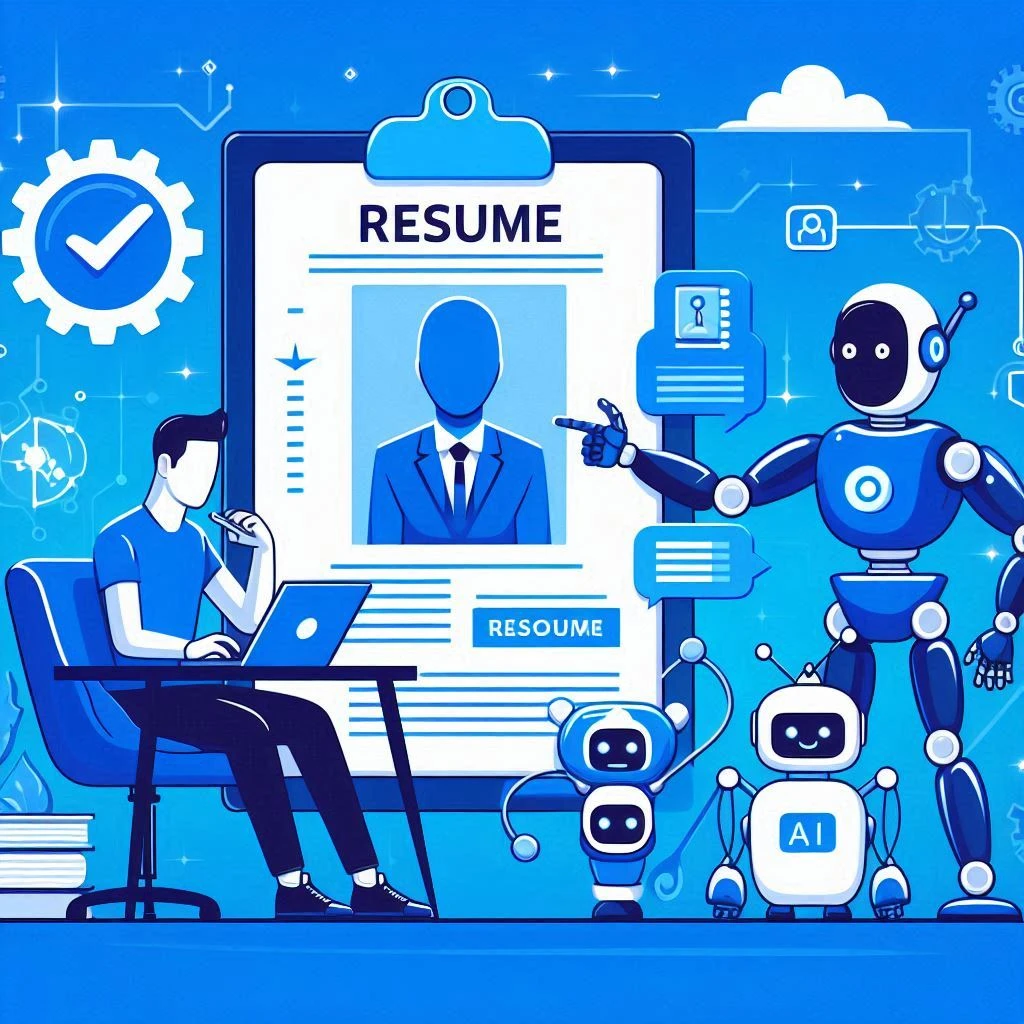
The AI Resume Builder That Sold My Personal Information: How a Free Career Tool Became an Identity Theft Nightmare
Artificial intelligence has transformed job hunting.
Today, AI tools can write resumes, optimize CVs, generate cover letters, prepare candidates for interviews, and even suggest career paths.
Like millions of job seekers, I wanted to improve my résumé before applying for new opportunities.
While searching online, I found an AI resume builder that claimed it could create a professional, ATS-friendly résumé in just five minutes.
The best part?
It advertised itself as completely free.
It sounded too good to ignore.
The website looked modern and professional.
It displayed:
- Thousands of five-star reviews
- Success stories from job seekers
- Claims of helping people land jobs at major companies
- A promise that all personal information would remain private
Without hesitation, I clicked Get Started.
That simple decision eventually exposed some of the most sensitive information I owned.
Building My Resume
The AI guided me through a series of questions.
It requested:
- My full name
- Email address
- Phone number
- Home address
- Education history
- Employment history
- Professional certifications
- Skills
- References
To make the résumé even better, it encouraged me to upload my existing CV.
I did.
The app even suggested adding:
- My LinkedIn profile
- Professional photo
- Portfolio website
- Salary expectations
Everything seemed perfectly normal.
After all, résumé builders need personal information to create a professional document.
The Resume Looked Amazing
Within minutes, the AI produced one of the best-looking résumés I had ever seen.
It reorganized my work experience.
Improved my wording.
Optimized my skills.
Even generated a polished professional summary.
I was impressed.
I downloaded the document and immediately began submitting job applications.
I believed the experience had been completely successful.
I couldn’t have been more wrong.
Strange Emails Started Arriving
About two weeks later, I noticed something unusual.
I began receiving emails addressed specifically to me.
They weren’t ordinary spam.
They referenced:
- My profession
- My certifications
- My previous employers
- My career interests
Some even offered interviews for jobs I had never applied for.
At first, I assumed recruiters had found my résumé online.
Then the messages became increasingly suspicious.
Fake Job Offers Everywhere
Soon I was receiving emails that claimed to be from well-known companies.
The messages looked convincing.
They included:
- Company logos
- Interview invitations
- Salary offers
- Employment contracts
The only catch?
Before moving forward, I needed to:
- Pay a processing fee.
- Verify my identity.
- Submit additional documents.
- Complete a background check using a provided link.
Fortunately, something didn’t feel right.
I ignored the messages.
Later, I confirmed they were phishing attempts.
How Did They Know So Much?
What worried me most wasn’t the fake job offers.
It was how much the scammers already knew about me.
They referenced details that existed only inside my résumé.
That included:
- My work history
- Technical certifications
- Professional skills
- Contact information
Someone had access to the information I uploaded.
The only place where all of that data existed was the AI résumé builder.
The Privacy Policy I Never Read
Looking back, I realized I had skipped something important.
The privacy policy.
After reading it carefully, I discovered language that allowed the company to:
- Share information with “partners”
- Use uploaded data for “business purposes”
- Transfer information to third parties
Although it didn’t explicitly say the company sold personal information illegally, the policy gave them broad permission to distribute user data.
Whether the information was intentionally sold or exposed through poor security, the result was the same.
My personal information had reached people who should never have had access to it.
Why Resume Data Is Valuable
A résumé contains far more than career history.
It often includes:
- Full legal name
- Phone number
- Email address
- Home address
- Education history
- Employment history
- Professional certifications
- Skills
- References
- Sometimes, even identification documents
For cybercriminals, that’s a goldmine.
They can use that information to launch highly convincing phishing attacks, commit identity theft, or impersonate job recruiters.
Coming Up in Part 2
In Part 2, you’ll learn:
- How fake AI résumé builders collect and monetize personal information
- Why job seekers are attractive targets for cybercriminals
- Warning signs of fraudulent career platforms
- How attackers use stolen résumé data
- Best practices for protecting your personal information during your job search