


By Jackson Godwin.Cybersecurity Analyst & Penetration Tester.
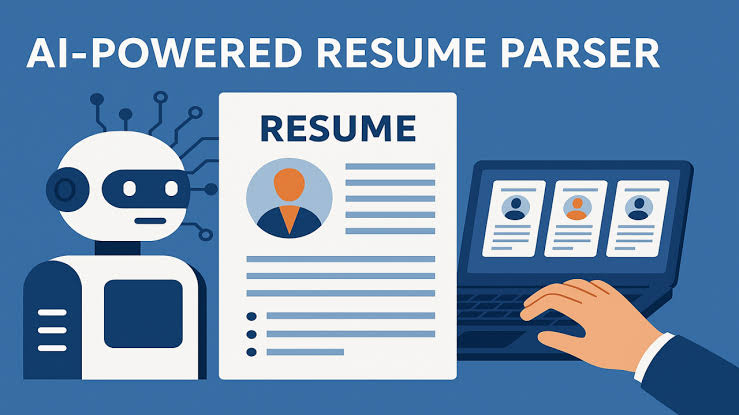
In Part 1, I explained how what appeared to be a free AI résumé builder collected my personal information before I began receiving highly targeted phishing emails and fake job offers.
The deeper I investigated, the clearer it became that my résumé contained far more valuable information than I had ever realized.
Why Job Seekers Are Prime Targets
Job seekers often share large amounts of personal information without hesitation.
A typical résumé may contain:
- Full name
- Email address
- Phone number
- Home address
- Education history
- Employment history
- Professional certifications
- Skills
- LinkedIn profile
- Portfolio links
Some candidates even upload:
- Passport copies
- Driver’s licenses
- National ID cards
- Academic certificates
To a cybercriminal, this information is incredibly valuable.
How Fake AI Resume Builders Make Money
Not every AI résumé builder is malicious.
Many legitimate services charge subscription fees while protecting user privacy.
However, fraudulent platforms may profit by:
- Selling user information to data brokers.
- Sharing data with unknown third parties.
- Displaying deceptive advertisements.
- Collecting information for phishing campaigns.
- Building detailed identity profiles for future fraud.
In some cases, the operators themselves may not even be legitimate businesses.
Their primary objective is simply to collect as much personal information as possible.
The Privacy Policy I Ignored
Like many people, I clicked “I Agree” without reading the privacy policy.
Later, I discovered several vague statements.
The policy referred to:
- Business partners
- Marketing affiliates
- Service providers
- Data processing partners
None of those terms clearly explained who would receive my information.
When companies are not transparent about how they use your data, that should be a warning sign.
The Fake Recruiters
Within weeks, I received messages from people claiming to represent major companies.
The emails looked convincing.
They referenced:
- My certifications
- My previous employers
- My technical skills
- My career interests
Some messages even addressed me by name and mentioned specific details from my résumé.
The scammers clearly had access to information that should have remained private.
The Interview That Never Existed
One message invited me to a remote interview.
The salary was excellent.
The benefits sounded incredible.
Everything appeared legitimate.
Before the interview, however, I was asked to:
- Verify my identity.
- Submit additional documents.
- Install a “secure interview application.”
That application was actually malware.
Fortunately, I became suspicious before downloading it.
Had I installed it, the attackers might have gained access to my computer as well.
Identity Theft Starts with Small Details
Many people believe identity theft requires stolen passports or bank accounts.
In reality, criminals often begin with basic information such as:
- Full name
- Email address
- Phone number
- Employment history
They combine this information with data obtained from:
- Social media
- Public records
- Previous data breaches
- Other online accounts
Over time, they build an increasingly complete profile of their victims.
Warning Signs of Fake Career Platforms
Looking back, several warning signs were obvious.
The website:
- Promised premium services completely free.
- Asked for excessive personal information.
- Had limited company information.
- Used generic customer testimonials.
- Offered unrealistic guarantees.
- Frequently pushed paid upgrades.
Legitimate career platforms are usually transparent about who operates them and how user data is handled.
Protecting Your Resume
Your résumé should be treated as sensitive personal information.
Before uploading it anywhere:
- Verify the website.
- Research the company.
- Read the privacy policy.
- Limit unnecessary personal details.
- Avoid uploading identification documents unless absolutely necessary.
Remember:
Every additional piece of information increases your exposure if the platform is compromised.
Realizing the Bigger Problem
The fake interview invitations eventually stopped.
But the experience left me with an important realization.
Cybercriminals weren’t interested in helping me find a job.
They were interested in finding people actively searching for work.
Job seekers are often:
- Optimistic.
- Busy.
- Eager to respond quickly.
Attackers exploit those emotions to increase the success of their scams.
Coming Up in Part 3
In the final part, you’ll learn:
- How to safely use AI résumé builders
- What to do if your personal information has been exposed
- Best practices for protecting your identity during a job search
- Frequently Asked Questions
- Final cybersecurity lessons
- About the Author