



By Jackson Godwin. Cybersecurity Analyst & Penetration Tester
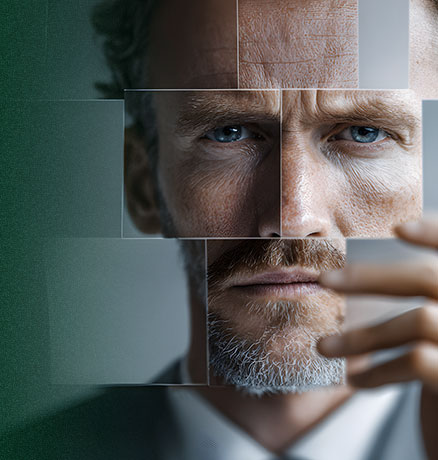
The Investigation Confirmed It Was a Deepfake
A few weeks later, I received an update from the cybercrime investigators.
After analysing the video, they concluded that it had most likely been created using AI-generated deepfake technology.
The scammers had taken publicly available photos and videos of me and used them to create a convincing fake endorsement.
I had never spoken those words.
I had never promoted that investment platform.
Yet thousands of people believed I had.
My Identity Became the Scam
The investigator explained something that changed how I think about identity theft.
Years ago, criminals mainly stole:
- Passwords.
- Credit card numbers.
- Bank account details.
Today, they may also try to steal something else:
Your identity.
Your face.
Your voice.
Your reputation.
When people trust you, criminals may try to use that trust for their own financial gain.
The Scam Was Never About Me
The investigator reminded me that I wasn’t the real target.
The victims were the people watching the video.
The scammers chose my face because they believed others would trust it.
The more believable the messenger appeared, the more convincing the fraud became.
That is why impersonation has become one of the fastest-growing forms of online deception.
Warning Signs of AI Deepfake Scams
Deepfakes continue to improve, but there are still reasons to be cautious.
🚩 Unexpected Investment Promotions
If someone suddenly appears to promote:
- Guaranteed profits.
- Cryptocurrency giveaways.
- Fast investment returns.
- Requests to send money.
Verify the information through their official accounts before believing it.
🚩 Requests for Urgent Payments
Scammers often create urgency by claiming:
- Limited-time opportunities.
- Exclusive offers.
- Immediate profits.
Pressure is a common feature of social engineering.
🚩 Videos Shared From Unofficial Accounts
A video may appear authentic, but always check whether it was published through the person’s verified or official account.
A copied video on an unfamiliar account deserves extra scrutiny.
🚩 Claims That Sound Out of Character
If someone appears to promote products, services or investments that don’t match their usual expertise or public work, pause before trusting the message.
Unexpected endorsements deserve independent verification.
What Should You Do If Someone Uses Your Face?
If you discover that your image or voice is being misused:
- Report the fake content on every platform where it appears.
- Warn your family, friends and followers through your official accounts.
- Preserve evidence by taking screenshots and saving links before the content disappears.
- Contact the affected platform using its reporting procedures.
- If appropriate, report the incident to relevant authorities in your jurisdiction.
Acting quickly may reduce the number of people who are exposed to the scam.
Frequently Asked Questions
Can AI really create realistic videos of people?
Yes.
Modern AI systems can generate highly realistic images, voices and videos.
The quality varies, and not every suspicious video is necessarily AI-generated, but convincing synthetic media is becoming increasingly common.
Can scammers create a deepfake using public photos?
Publicly available photos and videos can sometimes be used to build convincing AI-generated content.
Limiting unnecessary public exposure and remaining aware of how your content is used can help reduce risk.
How can I verify whether a video is genuine?
Don’t rely only on the video itself.
Check whether it appears on the person’s official website or verified social media accounts.
If the content promotes financial opportunities, verify it independently before taking any action.
Final Thoughts
The hardest part wasn’t seeing a fake version of myself.
It was watching other people believe it.
Artificial intelligence is changing how we communicate.
Unfortunately, it’s also changing how criminals deceive.
In the past, people often asked:
“Is this photo edited?”
Today, we also have to ask:
“Did this person actually say those words?”
Technology can imitate a face.
It can imitate a voice.
But it should never replace careful thinking.
The most powerful defence against deepfake scams is not better eyesight.
It’s better verification.
Because in the age of AI, seeing is no longer the same as believing.
About the Author
Jackson Godwin is a Cybersecurity Consultant specialising in Vulnerability Assessment and Penetration Testing (VAPT), Governance, Risk and Compliance (GRC), ISO/IEC 27001, PCI DSS, Cloud Security, AI Security, and Digital Risk Management.
Through JacksonTechnology.com.ng, he publishes cybersecurity awareness stories, ethical hacking tutorials, compliance guides, and practical online safety advice to help individuals and organisations recognise cyber threats, identify AI-enabled scams, and build safer digital habits.
His mission is to make cybersecurity practical, relatable, and accessible—one cyberstory at a time.