


By Jackson Godwin. Cybersecurity Analyst & Penetration Tester
How a Weak Password Can Cost You More Than Money
Disclaimer: This story is fictional but inspired by real cybersecurity incidents and common password-related attacks. It is written to educate readers about password security and online safety.
I Thought It Was Just Another Login Notification
It was a quiet Tuesday evening.
I had just finished dinner and was watching football highlights when my phone vibrated.
A notification appeared.
“New sign-in detected.”
At first, I didn’t panic.
I assumed it was one of my own devices.
Maybe my laptop.
Maybe my office computer.
I ignored it.
Five minutes later…
Another notification appeared.
Then another.
This time, something felt wrong.
My Email Was Locked
I opened my email application.
Instead of seeing my inbox, I saw a message I never expected.
“Your password is incorrect.”
I frowned.
I typed it again.
Still wrong.
Maybe I made a typing mistake.
I tried one more time.
Nothing.
Then I clicked “Forgot Password.”
That’s when I realized something terrifying.
The recovery email had already been changed.
For the first time that evening…
I felt genuine fear.
It Wasn’t Just an Email Account
Many people think an email account is only for sending messages.
Mine was much more than that.
It was connected to:
- My online banking notifications.
- My social media accounts.
- My cloud storage.
- My shopping accounts.
- My work platforms.
- My password reset links.
If someone controlled my email…
They could potentially try to reset passwords for many of my other online accounts.
Suddenly, losing access to one account didn’t seem like a small problem anymore.
It felt like my entire digital life was at risk.
Then I Remembered Something
As I tried to understand what had happened, one uncomfortable thought crossed my mind.
I had been using the same password in several places.
Not everywhere.
But enough places.
My reasoning had always been simple.
“It’s easier to remember one good password than ten different ones.”
At the time, that sounded practical.
Now it sounded like one of the biggest mistakes I had ever made online.
One Password. Many Accounts.
Like millions of people, I believed my password was strong enough.
It contained:
- Uppercase letters.
- Lowercase letters.
- Numbers.
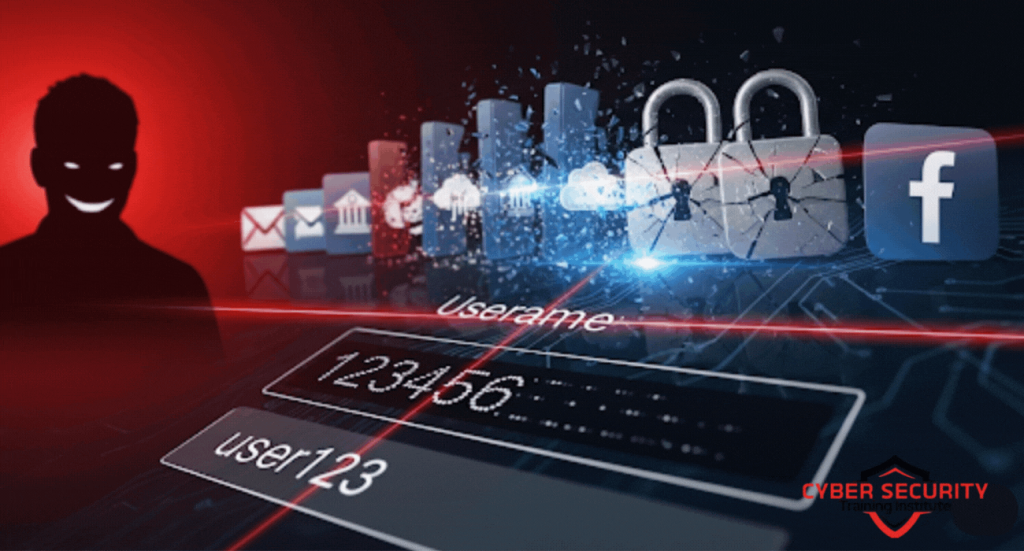
It wasn’t something obvious like 123456 or password.
So I assumed I was safe.
What I didn’t realize was that using the same password across multiple accounts can create additional risk.
If that password becomes exposed in one place, attackers may try it elsewhere.
That simple habit can sometimes create a chain reaction across multiple accounts.
The Call That Changed Everything
The next morning, I spoke with a cybersecurity colleague.
After listening carefully, he asked me one question.
“Did you reuse that password anywhere else?”
I paused.
Then I slowly nodded.
His face immediately told me what I didn’t want to hear.
“You need to start checking your other accounts immediately.”
At that moment, I understood something I had overlooked for years.
The biggest problem wasn’t the password itself.
It was the fact that I had trusted the same password to protect several important parts of my digital life.
Why Criminals Love Password Reuse
Cybercriminals don’t always need to “guess” your password.
Sometimes they simply try passwords that have already been exposed elsewhere.
Imagine someone finds one key that opens your front door.
Then they discover the same key also opens:
- Your office.
- Your car.
- Your safe.
- Your mailbox.
That’s exactly what password reuse can feel like in the digital world.
One password.
Multiple opportunities.
I Started Checking My Other Accounts
My first priority was my email.
The second was everything connected to it.
I logged into my social media accounts.
Then my cloud storage.
Then my shopping accounts.
Finally, my banking applications.
Thankfully, I still had access to most of them.
But I knew I couldn’t leave things the way they were.
Something had to change.
And quickly.
The Lesson Had Only Just Begun
That experience taught me something I wish I had understood years earlier.
A weak password isn’t always about having a short or simple password.
Sometimes the biggest weakness is using the same password in more than one place.
It was a lesson I would never forget.
But I still had one big question to answer.
How could one password put so many accounts at risk?
The answer completely changed the way I think about online security.
(Continue in Part 2, where I’ll explain how attackers take advantage of reused passwords, why email accounts are the first target, and the simple mistake that millions of people make without realizing it.)