Dnsenum – Best DNS Enumeration Tool. (Educational Lab)
July 27, 2026
Com 0
By Jackson Godwin. Cybersecurity Analyst & Penetration Tester.
Disclaimer Dnsenum is a DNS enumeration tool intended for authorized security assessments and educational use only. Unauthorized scanning of domains is illegal. Users are fully responsible for their actions and must comply with all applicable laws.
Let’s start 😛 !!
Usage
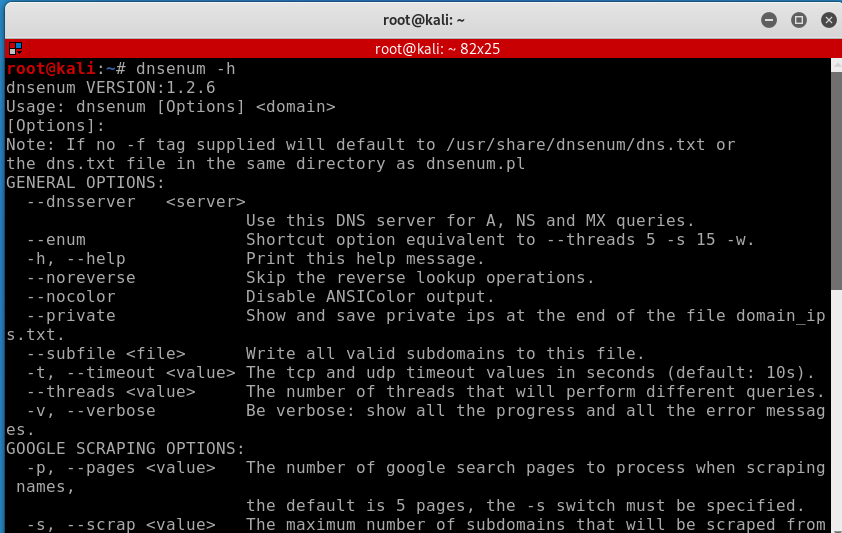
We do not need to download and configure this tool externally, which is a positive point factor against this tool. If you have accidentally forgotten the commands of this tool, you can take the help of the “-h” command.
Live DNS Enumeration
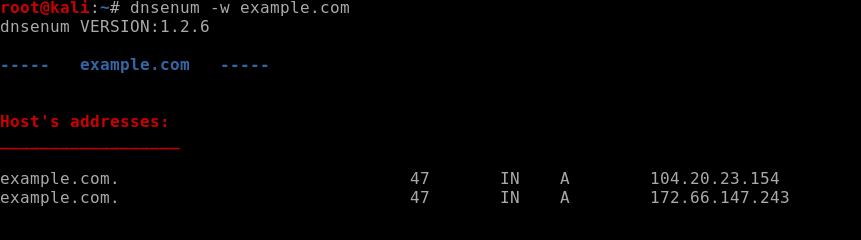
dnsenum -w example.com.
It’s not too hard to get hold of this tool, we just need to give the target URL using the “-w” parameter and just 🙂 !!
Results
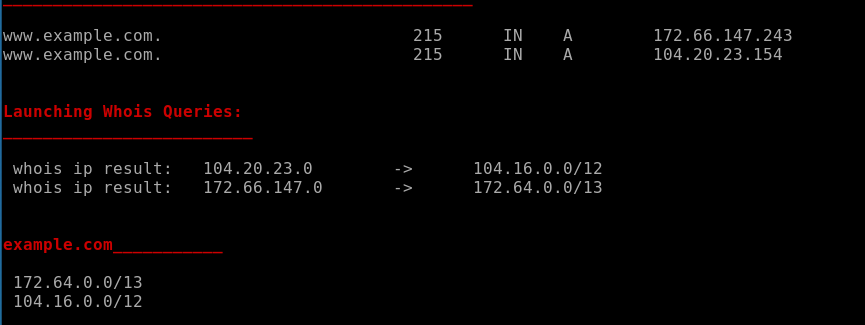
The results are out in front of you, and you can see that it has identified the real IP address of the domain and also its DNS records.
Security Recommendations
Regularly audit DNS records to remove outdated or unnecessary entries.
Restrict zone transfers to authorized DNS servers only.
Enable DNSSEC where appropriate to improve DNS integrity.
Monitor DNS records for unauthorized changes.
Maintain an accurate inventory of all public DNS records.
Detection Tips
Monitor for unusual DNS queries or large-scale enumeration attempts.
Review DNS server logs for repeated reconnaissance activity.
Configure alerts for unauthorized DNS configuration changes.
Use network monitoring tools to identify suspicious DNS traffic.
Ethical Use Notice
Educational Purpose Only: This article is intended for cybersecurity education and authorized security assessments. DNS enumeration should only be performed on systems you own or have explicit permission to assess. Unauthorized reconnaissance may violate organizational policies or applicable laws.
Conclusion
DNS enumeration is a fundamental step in understanding an organization’s attack surface. When used responsibly during authorized security assessments, tools such as Dnsenum help identify exposed assets, improve DNS security, and strengthen an organization’s overall defensive posture.
About the Author
Jackson Godwin is a Cybersecurity Consultant specializing in Vulnerability Assessment and Penetration Testing (VAPT), Governance, Risk and Compliance (GRC), Information Security, and Enterprise Security Assessments. He has experience assessing web applications, banking systems, and enterprise environments to identify security vulnerabilities and improve organizational resilience.
Through JacksonTechnology.com.ng, Jackson shares practical cybersecurity tutorials, penetration testing guides, compliance resources, and career advice to help professionals and businesses strengthen their cybersecurity posture.