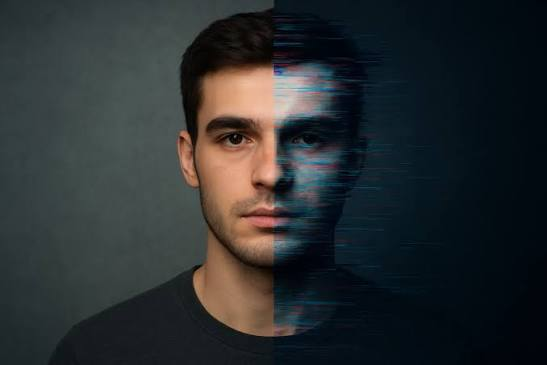
My Face Was Used in an AI Scam Without My Permission (Part 2)
July 30, 2026
Com 0
By Jackson Godwin. Cybersecurity Analyst & Penetration Tester
I Started Reporting the Video
I didn’t waste any time.
I reported the fake video on every platform where I found it.
I also asked friends and colleagues to report it instead of sharing it.
The fewer people who interacted with the video, the less likely it was to spread further.
But removing it wasn’t as easy as clicking a button.
Every time one copy disappeared, another seemed to appear somewhere else.
I Warned Everyone I Knew
I posted a message on my social media accounts.
“If you see any video of me promoting investments, cryptocurrency, giveaways or asking you to send money, please ignore it. I did not create those videos.”
Friends quickly began sharing the warning.
Some admitted they had almost believed the fake video.
Others said they had already received messages asking whether the investment was genuine.
The warning arrived just in time for some people.
Where Did They Get My Face?
That question kept bothering me.
I had never recorded a video for that company.
Then I realised something.
Over the years, I had uploaded dozens of videos and photos online.
Conference presentations.
Training sessions.
LinkedIn posts.
Profile videos.
Public interviews.
The criminals didn’t need to hack my phone.
They simply collected publicly available images and videos.
Those materials were enough to train an AI model to imitate my appearance and voice.
The Cybercrime Investigator Explained It
Later, I spoke with a digital forensics investigator.
He explained that modern AI tools can generate convincing videos using surprisingly small amounts of publicly available content.
The more videos criminals find, the more realistic the result may become.
In many cases, victims don’t even know their images are being misused until someone else discovers the fake content.
My Reputation Was Being Used as the Product
The investigator said something I’ll never forget.
“They weren’t selling investments. They were selling trust.”
People didn’t invest because of the platform.
They invested because they believed I recommended it.
My identity had become the marketing strategy.
That made the scam far more effective than a random advertisement from a stranger.
The Platforms Finally Responded
Over the next few days, some of the reported videos were removed.
Several fake accounts disappeared.
Unfortunately, not all of them.
Copies continued appearing under different usernames.
The internet makes it easy to upload content.
Removing every copy is much harder.
I Changed My Online Habits
After the incident, I became much more careful about what I shared publicly.
I didn’t stop posting online.
But I became more aware that anything published publicly could potentially be copied, manipulated or misused.
The experience reminded me that protecting your digital identity now involves more than protecting passwords.
Sometimes, it also means protecting your image and your voice.
The Damage Could Have Been Worse
Fortunately, friends contacted me before investing large amounts of money.
If they hadn’t recognised me—or if they had trusted the fake video without asking—I might never have known that criminals were using my identity.
In the final part of this story, I’ll explain how AI deepfake scams work, reveal practical ways to recognise them, and share the steps everyone should take if their face or voice is used without permission.
Continue Reading:My Face Was Used in an AI Scam Without My Permission (Part 3)