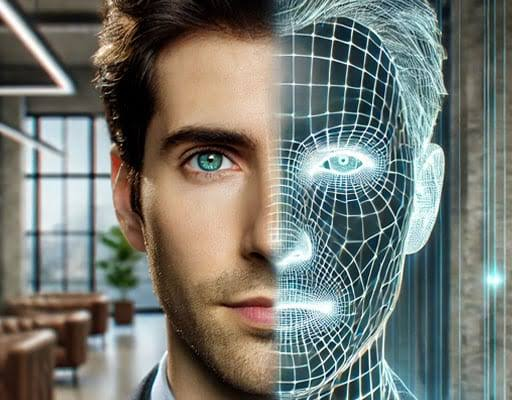
My Face Was Used in an AI Scam Without My Permission (Part 1)
July 30, 2026
Com 0
By Jackson Godwin. Cybersecurity Analyst & Penetration Tester.
My Face Was Used in an AI Scam Without My Permission
Disclaimer:This story is fictional but inspired by real cases involving AI-generated deepfakes, identity theft and online fraud. It is written to educate readers about emerging cyber threats and digital safety.
The Video Looked Like Me
It was a normal Saturday morning when my phone buzzed.
A close friend sent me a WhatsApp message.
“Congratulations! I didn’t know you started promoting investments.”
Confused, I replied:
“What are you talking about?”
He immediately forwarded a video.
I pressed play.
For a few seconds…
I couldn’t breathe.
The man in the video looked exactly like me.
I Was Watching Myself Speak
The video showed me sitting behind what looked like an office desk.
I smiled confidently and said:
“I’ve been making thousands of dollars every month with this new AI investment platform.”
Then “I” encouraged viewers to register immediately.
The person in the video:
Had my face.
My hairstyle.
My voice.
My facial expressions.
The only problem was…
I had never recorded that video.
My Friends Believed It Was Real
Within an hour, more messages arrived.
Some people congratulated me.
Others wanted the investment link.
A few even asked if the opportunity was genuine.
Nobody questioned whether the video was fake.
Why would they?
It looked exactly like me.
I Started Searching Online
I quickly searched for the investment platform mentioned in the video.
It already had dozens of promotional posts.
Several fake social media accounts were sharing the same clip.
Some captions claimed:
“Cybersecurity Expert Reveals Secret AI Investment.”
Others claimed I had personally earned enormous profits.
The criminals weren’t just stealing my face.
They were stealing my reputation.
The Video Was Going Viral
By lunchtime, friends from different cities had already seen it.
Someone even found the video on another social media platform.
The fake advertisement was spreading faster than I could report it.
Every share increased the number of potential victims.
Every minute made the damage worse.
I Looked More Carefully
The video was incredibly realistic.
Most people would never notice anything unusual.
But after watching it several times, I spotted tiny inconsistencies.
Occasionally:
My lips moved slightly out of sync.
My eyes blinked strangely.
My voice sounded just a little too smooth.
They were subtle.
Very subtle.
But enough to convince me that artificial intelligence had generated the video.
Then Someone Sent Me Proof
A former colleague forwarded another message.
Someone had already invested money after watching the video.
They believed I had personally recommended the platform.
At that moment, I realised this wasn’t simply about my image.
People were losing real money because criminals had turned my face into a weapon.
(Continue in Part 2, where I’ll explain how I discovered where the deepfake came from, reveal how scammers create convincing AI videos, and show the steps I took to stop the fraud before more victims were deceived.)