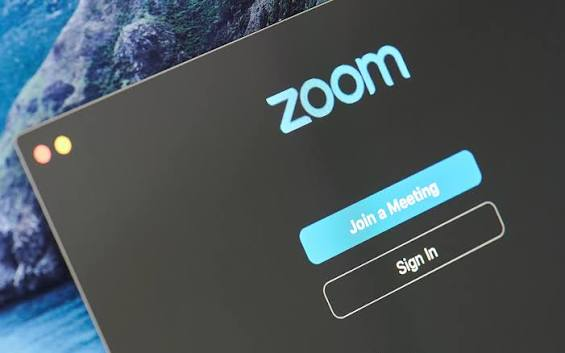
The Zoom Meeting That Was Actually a Cyber Attack (Part 3)
July 30, 2026
Com 0
By Jackson Godwin. Cybersecurity Analyst & Penetration Tester
The Security Investigation Revealed the Truth
A few days later, our cybersecurity team completed its investigation.
The fake email was part of a larger phishing campaign targeting businesses that regularly used video conferencing.
The attackers weren’t interested in hosting meetings.
Their objective was much more valuable.
They wanted victims to install malware disguised as a software update.
Once installed, the malware could provide a gateway for further attacks.
Why Fake Meeting Scams Are Effective
The investigator explained why these attacks succeed.
People trust tools they use every day.
Millions of professionals use video conferencing platforms for:
Client meetings.
Job interviews.
Team discussions.
Online training.
Business presentations.
When users receive a meeting invitation from what appears to be a trusted contact, they often react automatically.
Cybercriminals rely on that habit.
The Software Update Was Only the Beginning
The fake Zoom update wasn’t the final goal.
It was simply the first stage.
If the malware had been installed, attackers might have attempted to:
Steal saved browser passwords.
Capture authentication cookies.
Access business documents.
Install additional malicious software.
Maintain long-term access to the computer.
One careless download could have created opportunities for much larger compromises.
Warning Signs of Fake Meeting Invitations
Looking back, several clues were easy to recognise.
🚩 Slightly Different Web Addresses
Always check the website address carefully.
A single changed letter can make a fraudulent domain appear genuine.
🚩 Unexpected Software Updates
If a meeting invitation asks you to download software from an unfamiliar website, pause before proceeding.
Whenever possible, update applications through their official software or trusted app stores.
🚩 Last-Minute Pressure
Messages claiming:
“Meeting starts in five minutes.”
“Update required immediately.”
“Join now or lose access.”
are designed to make you act before verifying.
🚩 Unexpected Changes to Meeting Links
If someone suddenly sends a replacement meeting invitation, confirm it through another trusted communication channel if possible.
A quick phone call or message can prevent a costly mistake.
🚩 Download Requests Before Joining
Many legitimate meeting platforms allow users to join directly through official applications or trusted browser interfaces.
Unexpected download requests deserve extra caution.
How to Protect Yourself
Simple habits can reduce the risk of meeting-related scams.
Verify meeting invitations using trusted communication channels.
Download software updates only from official sources.
Keep conferencing software updated before important meetings.
Check email addresses—not just display names.
Hover over links to inspect web addresses before clicking.
Report suspicious invitations to your IT or security team.
A few seconds of verification can prevent hours—or days—of incident recovery.
Frequently Asked Questions
Can fake Zoom invitations install malware?
Some phishing campaigns use fake meeting invitations to persuade victims to download malicious software.
The malware typically comes from the fraudulent download rather than the meeting itself.
Should I always trust meeting invitations from known contacts?
Not automatically.
If anything seems unusual—such as unexpected updates, unfamiliar links or changes to meeting details—verify the invitation before acting.
What’s the safest way to join a meeting?
Whenever practical, open the official conferencing application yourself and join using the meeting ID provided by the organiser, or use meeting links received through trusted channels after verifying they are legitimate.
Final Thoughts
The attackers never broke into my computer.
They almost convinced me to let them in.
The invitation looked professional.
The branding looked authentic.
The website looked identical to the real one.
The only thing that exposed the scam was one small detail.
A slightly different web address.
That tiny difference separated a normal business meeting from a potential malware infection.
The lesson I learned was simple.
Never let urgency replace verification.
Whether it’s a meeting invitation, a software update or an email from someone you know, take a moment to confirm it’s genuine.
In cybersecurity, the safest click is often the one you never make.
About the Author
Jackson Godwin is a Cybersecurity Consultant specialising in Vulnerability Assessment and Penetration Testing (VAPT), Governance, Risk and Compliance (GRC), ISO/IEC 27001, PCI DSS, Cloud Security, AI Security and Digital Risk Management.
Through JacksonTechnology.com.ng, he publishes cybersecurity awareness stories, ethical hacking tutorials, compliance guides, and practical online safety advice to help individuals and organisations recognise phishing attacks, malware campaigns, ransomware, AI-enabled scams, and emerging cyber threats.
His mission is to make cybersecurity practical, relatable, and accessible—one cyberstory at a time.