



By Jackson Godwin. Cybersecurity Analyst & Penetration Tester.
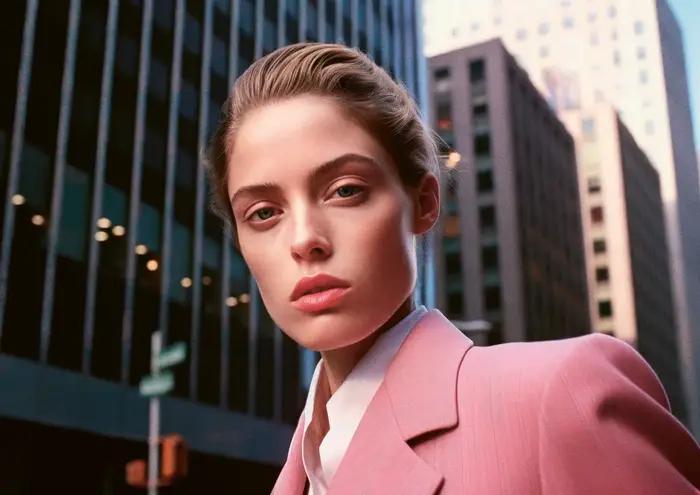
The Woman I Met Online Was Using AI Photos
Disclaimer: This story is fictional but inspired by real cyber threats involving AI-generated images and online romance scams. It is written to educate readers about emerging social engineering techniques.
She Looked Too Perfect
It all started on a social media platform.
One evening, I received a message from a woman who claimed she had seen one of my posts.
Her profile immediately caught my attention.
Every photograph looked stunning.
Perfect lighting.
Perfect smile.
Perfect skin.
There wasn’t a single blurry picture.
At first, I thought she simply enjoyed photography.
I had no idea those photos might not belong to a real person at all.
Our Conversations Felt Genuine
We chatted every day.
She was friendly.
Funny.
Intelligent.
She remembered everything I told her.
We talked about:
- Work.
- Family.
- Movies.
- Travel.
- Future goals.
Nothing about the conversations felt suspicious.
She seemed like a real person with genuine emotions.
Her Photos Were Everywhere
Unlike many fake accounts, she regularly uploaded new pictures.
Some showed her:
- Drinking coffee.
- Walking on the beach.
- Working on a laptop.
- Sitting in restaurants.
- Smiling outdoors.
The frequent updates made the profile seem authentic.
I assumed no scammer would go to that much effort.
Something Didn’t Feel Right
After several weeks, I noticed something unusual.
Every photograph looked professionally perfect.
There were no:
- Group photos.
- Childhood pictures.
- Family celebrations.
- Casual selfies.
- Imperfect moments.
Every image looked like it belonged in a magazine.
At first, I dismissed the thought.
Some people simply enjoy taking good photographs.
I Suggested a Video Call
One evening, I asked:
“Would you like to have a quick video call this weekend?”
She replied politely.
“I’m a little camera shy.”
I understood.
Not everyone enjoys video calls.
A week later, I asked again.
This time she said:
“My internet isn’t stable enough.”
Another week passed.
Another excuse.
Then She Sent More Pictures
Instead of joining a video call, she sent several new photographs.
They looked just as perfect as the previous ones.
The lighting.
The facial expressions.
The background.
Everything seemed flawless.
Almost too flawless.
I Started Looking More Closely
One evening, I zoomed in on one of the images.
Something seemed unusual.
The earrings didn’t quite match.
The fingers looked slightly unnatural.
The background appeared strangely distorted.
The more I looked, the more questions I had.
Could these photographs have been created by artificial intelligence?
At that moment, I wasn’t sure.
But I knew I needed answers.
(Continue in Part 2, where I’ll investigate the photographs, discover surprising clues hidden inside the images, and uncover how artificial intelligence is helping cybercriminals create convincing fake identities.)