The Romance Scammer Who Used Deepfake Videos (Part 3)
July 30, 2026
Com 0
By Jackson Godwin. Cybersecurity Analyst & Penetration Testing
I Stopped Trusting What I Saw
After the strange video call ended, I decided to investigate before making any financial decisions.
Instead of relying on emotions, I relied on facts.
I reviewed every conversation.
Every video call.
Every promise.
The pattern became impossible to ignore.
The “Investment Platform” Was the First Clue
I searched for the cryptocurrency platform she had recommended.
At first glance, it looked legitimate.
But after digging deeper, I discovered several problems.
The company wasn’t regulated by any recognised financial authority.
The website had been registered only a few months earlier.
Independent reviews warned that users couldn’t withdraw their money.
Cybersecurity forums had already flagged it as a suspected scam.
The platform itself was a trap.
The romance had simply been the bait.
I Asked One Final Question
I sent her a message.
“Before I invest, I’d like us to have one longer video call.”
I also asked if she could:
Walk around the room.
Turn the camera away from her face.
Have a natural conversation without interruptions.
Instead of agreeing, she became defensive.
“Don’t you trust me anymore?”
“Why are you making this so difficult?”
She answered my emotions.
She never answered my questions.
Then Everything Ended
The following morning, I tried sending another message.
It never delivered.
Her social media profile had disappeared.
Our chat history remained, but her account no longer existed.
The person I believed I knew for months vanished overnight.
That confirmed everything.
The relationship had never been genuine.
Can Deepfakes Really Be Used in Romance Scams?
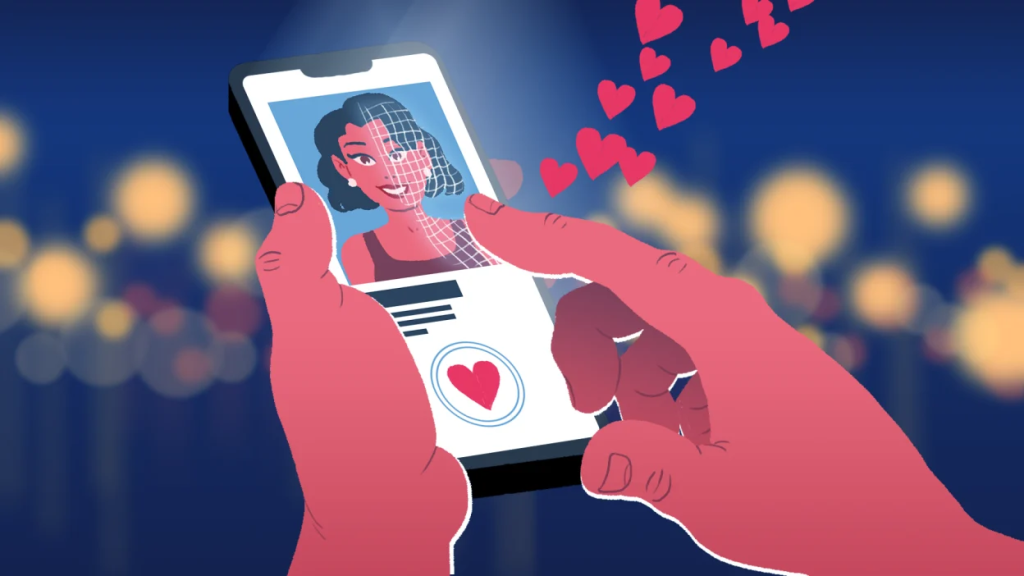
Artificial intelligence has made it easier to create convincing fake images, cloned voices and manipulated videos.
While not every romance scam uses advanced deepfake technology, criminals are increasingly experimenting with AI tools to appear more convincing.
A short or low-quality video call alone should not be treated as proof that someone is who they claim to be.
Verification should always involve multiple independent checks.
Warning Signs I Wish I Had Recognised Earlier
Looking back, these were the biggest warning signs.
🚩 Every Video Call Was Short
The calls rarely lasted more than a few minutes.
Whenever I wanted to continue, there was always an excuse.
🚩 She Controlled Every Conversation
She decided:
When we called.
How long we talked.
When the call ended.
There was very little room for spontaneous interaction.
🚩 Unexpected Requests Were Avoided
Simple requests like:
Turning the camera.
Showing the room.
Performing an unexpected action.
Were always ignored or interrupted.
🚩 The Romance Led to an Investment Opportunity
The relationship wasn’t the final objective.
It was the method used to gain my confidence before introducing a fraudulent investment.
How to Protect Yourself From AI-Assisted Romance Scams
If you’re building a relationship online:
Verify Beyond Video Calls
A video conversation can be useful, but it shouldn’t be your only form of verification.
Look for consistent behaviour over time and verify important claims independently.
Be Careful With Investment Advice
If someone you’ve only met online encourages you to invest:
Research the platform yourself.
Check whether it’s regulated.
Read independent reviews.
Never invest simply because someone you trust recommends it.
Don’t Let Emotions Override Caution
Romance scammers often spend weeks or months building emotional trust before introducing money or investment opportunities.
Take your time.
Ask questions.
A genuine person should understand your desire to verify important information.
Report Suspicious Profiles
If you believe you’ve encountered a romance scam:
Report the account to the dating app or social media platform.
Stop sending money or cryptocurrency.
Save relevant conversations if you need to report the incident.
Frequently Asked Questions
Are all video calls safe proof of identity?
No.
Although video calls can help verify someone’s identity, they are not foolproof. Technology continues to evolve, and determined scammers may use manipulated media or other deceptive techniques.
Can AI-generated videos be difficult to detect?
Yes.
Modern AI tools can produce increasingly convincing content. That’s why it’s important to combine video calls with other forms of verification rather than relying on a single interaction.
What is the biggest lesson from this experience?
Never make financial decisions based solely on trust built online.
Always verify identities, investment opportunities and urgent requests independently.
Final Thoughts
Years ago, a photograph could be faked.
Today, even a convincing video call may not tell the whole story.
Technology has changed.
But one rule hasn’t.
Trust should always be supported by verification.
The scammer didn’t hack my computer.
They didn’t steal my passwords.
They tried to manipulate my emotions using technology.
Fortunately, asking a few simple questions—and refusing to invest without independent verification—protected me from becoming another victim.
In today’s digital world, cybersecurity isn’t only about recognising malicious software.
It’s also about recognising when technology is being used to manipulate people.
About the Author
Jackson Godwin is a Cybersecurity Consultant specialising in Vulnerability Assessment and Penetration Testing (VAPT), Governance, Risk and Compliance (GRC), ISO/IEC 27001, PCI DSS, Cloud Security, AI Security, and Digital Risk Management.
Through JacksonTechnology.com.ng, he publishes cybersecurity awareness stories, ethical hacking tutorials, compliance guides, and practical online safety advice to help individuals and organisations recognise cyber threats, avoid scams, and stay secure in an AI-powered digital world.
His mission is to make cybersecurity practical, relatable, and accessible—one cyberstory at a time.