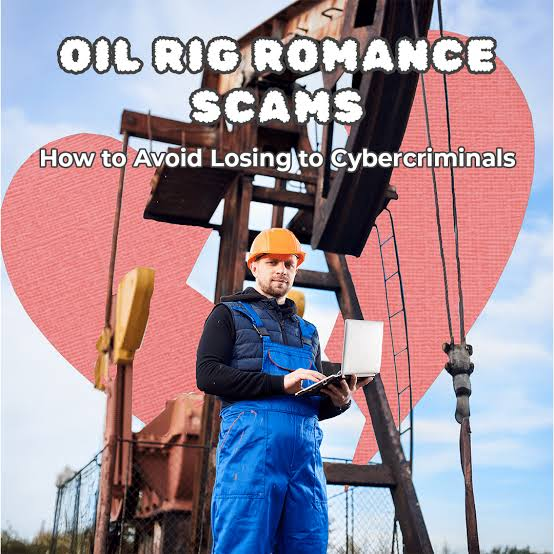
The “Oil Rig Engineer” Who Needed Emergency Funds (Part 1)
July 30, 2026
Com 0
By Jackson Godwin. Cybersecurity Analyst and Penetration Tester.
The “Oil Rig Engineer” Who Needed Emergency Funds
Disclaimer:This story is fictional but inspired by real romance scams involving criminals who impersonate offshore oil rig workers. It is written to educate readers about social engineering, online fraud and cybersecurity awareness.
The Message Arrived Unexpectedly
I wasn’t searching for a relationship.
One evening, I received a message from someone claiming to be an offshore oil rig engineer.
His profile looked impressive.
It included photographs of:
Offshore oil platforms.
Safety equipment.
Helicopter transport.
Ocean sunsets.
Engineering work.
He said he spent weeks at sea before returning home.
It sounded like an interesting career.
Out of curiosity, I replied.
He Was Easy to Trust
Our conversations quickly became enjoyable.
He never rushed anything.
Instead, we talked about:
Family.
Work.
Travel.
Food.
Life after retirement.
He spoke confidently about his job.
He described long shifts, dangerous weather and life on an offshore platform.
Everything sounded believable.
He Always Had an Explanation
Whenever I asked why he couldn’t talk for long, he would explain:
“The satellite connection isn’t always reliable.”
Sometimes he disappeared for hours.
Occasionally for an entire day.
When he returned, he apologised and blamed poor offshore internet.
That seemed reasonable.
I knew offshore workers often have limited communication.
We Became Closer
Weeks turned into months.
We messaged every morning.
We talked before going to sleep.
He remembered birthdays.
He asked about my family.
He listened whenever I had problems.
Eventually, he admitted he had developed feelings for me.
I felt the same.
The relationship seemed genuine.
His Job Made Everything Seem Authentic
He often shared photographs from the offshore platform.
Hard hats.
Safety jackets.
Heavy machinery.
The ocean stretching for miles.
I assumed no scammer would go to so much effort.
Looking back, I realise many of those images could easily have been copied from public websites or social media.
He Talked About Coming Home
One evening, he told me his offshore contract would soon end.
He said he couldn’t wait to meet me.
We started discussing:
Visiting each other.
Future holidays.
Building a life together.
It all felt exciting.
For the first time, our online relationship seemed close to becoming real.
Then Everything Changed
A few days before he claimed he was due to return home, he sent an unusual message.
He sounded worried.
According to him, there had been an emergency on the offshore platform.
He assured me he was safe.
But he said he urgently needed help.
Then came the message I never expected.
“You’re the only person I trust enough to ask.”
At that moment, I believed I was helping someone working thousands of miles away.
I had no idea I might actually be talking to a cybercriminal using one of the oldest romance scam stories on the internet.
(Continue in Part 2, where I’ll explain the emergency he claimed to face, reveal the warning signs I overlooked, and show how one simple question exposed the truth.)