



By Jackson Gowin. Cybersecurity Analyst & Penetration Tester
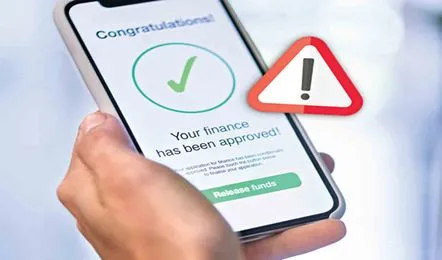
I Started Investigating the App
After my friends began receiving messages, I wanted answers.
I reopened the loan app and carefully reviewed everything I had accepted during installation.
That’s when I realised how much access I had given it.
The app had permission to access:
- My contacts.
- My phone storage.
- Certain phone information.
- Notifications.
At the time, I had simply tapped Allow because I wanted the loan quickly.
Now I understand why those permissions mattered.
The Contacts Were Never About Verification
The app had claimed it needed my contacts to verify my identity.
But after researching similar complaints online, I discovered many users had reported the same experience.
According to those reports, some loan apps contacted people from borrowers’ contact lists to pressure them into repaying loans.
Whether such practices are lawful depends on local regulations, but they raise serious privacy and ethical concerns.
My Friends Had Done Nothing Wrong
The part that upset me most wasn’t the reminders.
It was the fact that my friends and relatives became involved without their knowledge.
They had never:
- Applied for the loan.
- Signed any agreement.
- Given the company their phone numbers directly.
Yet they were receiving messages because their contact details had been stored on my phone.
One permission affected far more than just me.
Then I Read the Reviews Again
I returned to the app store.
This time, I ignored the five-star reviews and focused on the newest comments.
Many users described experiences similar to mine.
Some claimed they had received constant collection messages.
Others complained about aggressive communication.
Several warned people to think carefully before granting contact permissions.
I wished I had read those reviews before installing the app.
Fast Money Came With Hidden Costs
The loan had been approved within minutes.
That speed had impressed me.
Looking back, I realised I had focused entirely on convenience.
I never asked:
- Why was approval so quick?
- Why were so many permissions required?
- What would happen to my personal data?
When we need urgent financial help, it’s easy to overlook those questions.
Unfortunately, that’s exactly when careful thinking matters most.
The Permission I Couldn’t Take Back
Once the app had already accessed my contacts, I couldn’t change the fact that the information had been shared.
I removed the permission and later uninstalled the application.
But that experience reminded me that it’s always better to review permissions before granting access rather than trying to reverse the decision afterwards.
Privacy Is Part of Financial Security
Before this experience, I thought cybersecurity was mainly about passwords and hackers.
Now I realised that protecting personal information is also part of financial security.
A loan isn’t only about money.
It’s also about trust.
Whenever an organisation asks for access to your personal information, you should understand why that access is necessary.
The Lesson Was Bigger Than One Loan App
Since then, I’ve become much more careful about financial applications.
Before installing any new app, I ask myself:
- Does it come from a reputable organisation?
- Does it really need these permissions?
- Have I read recent user reviews?
- Am I comfortable with how my personal information may be used?
Those few questions now guide every installation.
In the final part of this article, I’ll explain the biggest warning signs of risky loan apps, share practical ways to protect your privacy before applying for digital loans, and reveal the simple rule I now follow whenever an app asks for access to my contacts.
Continue Reading: The Loan App That Stole My Contacts (Part 3)