


By Jackson Godwin. Cybersecurity Analyst & Penetration Tester.
I Reported the Charges Immediately
As soon as I saw the unauthorized payment attempts, I called my bank.
The fraud specialist asked me several questions.
Then one stood out.
“Did you recently enter your card details on a website after clicking a social media link?”
I remembered the giveaway.
The shipping fee.
The payment page.
Everything suddenly made sense.
The Giveaway Was Never Real
The fraud investigator explained that I had fallen for a fake giveaway campaign.
The prize never existed.
The small shipping fee wasn’t intended to cover delivery costs.
It was simply an excuse to convince me to enter my payment card information.
The website had been built for one purpose:
To capture victims’ card details.
The Influencer Account Was Fake
I returned to Instagram to check the account again.
This time, I noticed details I had missed before.
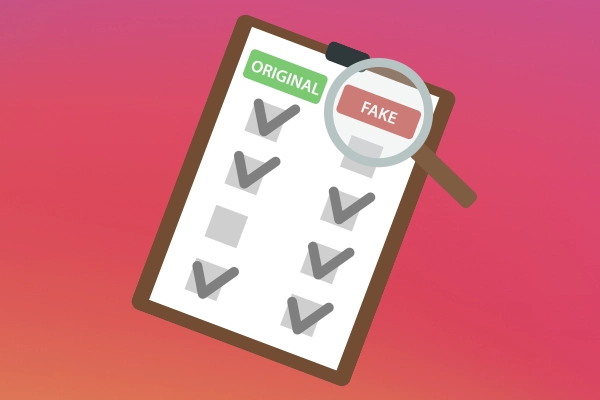
The username wasn’t exactly the same as the real influencer’s.
One extra character had been added.
The profile picture matched.
The posts had been copied.
Even the stories looked genuine.
But it wasn’t the official account.
It was a convincing impersonation.
Thousands of People Were Commenting
Scrolling through the giveaway post, I noticed thousands of excited comments.
People were celebrating.
Tagging friends.
Claiming they had won.
Later, the investigator explained that many of those comments were likely fake or generated to make the giveaway appear popular.
The large number of participants made the scam feel more trustworthy.
The Payment Page Was Designed to Build Trust
The fake checkout page included:
- A padlock icon.
- Security logos.
- Professional design.
- A countdown timer.
- Customer testimonials.
Everything encouraged me to complete the payment quickly.
The scammers understood that appearance creates confidence.
Most people never questioned whether the page actually belonged to the influencer.
The Small Amount Lowered My Guard
Looking back, I realised something important.
If the scammers had asked for $500, I would have refused immediately.
But $4.99 felt insignificant.
The tiny payment made the request seem harmless.
That was exactly why they chose such a small amount.
The real target wasn’t the shipping fee.
It was my payment card.
The Bank Prevented Further Losses
Fortunately, my bank detected unusual activity and blocked additional transactions.
My credit card was cancelled.
A replacement card was issued.
Although the financial loss was limited, replacing cards and updating payment information across multiple online services took far longer than the scammers’ fake giveaway.
One careless payment created days of extra work.
The Prize Was My Trust
The investigator summed up the scam perfectly.
“You weren’t paying for shipping.”
“You were paying with your trust.”
The giveaway simply created the perfect reason to lower my defenses.
In the final part of this story, I’ll explain how fake influencer giveaway scams work, reveal the warning signs every social media user should recognise, and share practical ways to avoid becoming the next victim.
Continue Reading: The Influencer Giveaway That Asked for My Card (Part 3)