


By Jackson Godwin. Cybersecurity Analyst & Penetration Tester
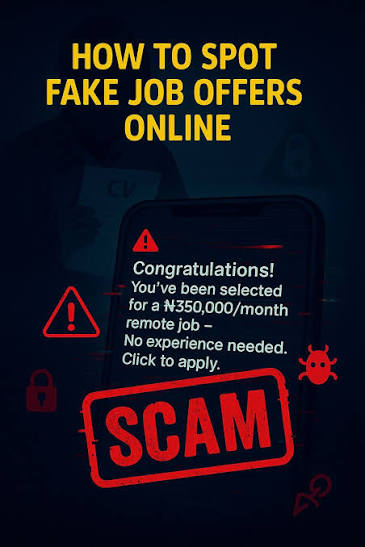
The Fake Remote Job That Asked for My Passport
Disclaimer: This story is fictional but inspired by real employment and recruitment scams reported around the world. It is written to educate readers about identity theft, fake recruiters and remote job fraud.
It Looked Like the Opportunity I’d Been Waiting For
Like many professionals, I regularly searched for remote jobs.
One afternoon, I received an email with an exciting subject line.
Congratulations! You’ve Been Shortlisted for a Remote Cybersecurity Position
The message claimed that an international technology company had reviewed my profile and wanted to move me directly to the next stage.
The salary was attractive.
The role matched my experience.
The benefits sounded excellent.
Everything seemed to be falling into place.
The Recruiter Sounded Professional
A recruiter introduced themselves with a company email signature.
The email included:
- A company logo.
- A professional job description.
- Working hours.
- Employee benefits.
- A remote work policy.
The language was polished.
The formatting looked professional.
Nothing immediately suggested it was a scam.
The Interview Was Surprisingly Easy
Instead of arranging a video interview, the recruiter sent me a questionnaire.
It contained basic questions about:
- My experience.
- Technical skills.
- Availability.
- Salary expectations.
I completed it and returned it the same day.
The following morning, I received another email.
I Was “Hired” Almost Immediately
The recruiter congratulated me.
According to the email, I had successfully passed the assessment.
No technical interview.
No meeting with a hiring manager.
No practical test.
Just one questionnaire.
Then came the sentence that made me feel excited.
“We are pleased to offer you the position.”
Then the Documents Started
The recruiter explained that they needed several documents before preparing my employment contract.
The list included:
- My passport.
- A recent passport photograph.
- Proof of address.
- My national identification document.
At first, that didn’t seem unusual.
Many employers verify identity during recruitment.
I almost attached everything immediately.
One Request Made Me Stop
As I prepared the documents, something caught my attention.
The recruiter wanted scanned copies of my passport before I had:
- Signed an employment contract.
- Spoken to a manager.
- Attended an interview.
- Verified the company’s identity.
That felt unusual.
Why would an employer need such sensitive documents before completing the hiring process?
I Decided to Verify the Company
Instead of replying immediately, I searched for the company online.
The official website existed.
The company itself appeared legitimate.
But something didn’t match.
The recruiter’s email address wasn’t listed anywhere on the company’s official website.
I also couldn’t find the recruiter’s name among the company’s staff or recruitment contacts.
That was the first warning sign.
The Perfect Job Suddenly Felt Different
The more I investigated, the more questions appeared.
The company looked real.
But was the recruiter real?
Had someone simply copied the company’s name and branding to gain my trust?
At that moment, I stopped preparing my documents.
Sending a passport copy takes only a few seconds.
Recovering your identity after it has been misused can take much longer.
(Continue in Part 2, where I’ll explain how fake remote job scams operate, reveal the warning signs I almost ignored, and show how one verification step exposed the fraud before I shared my personal documents.)