


By Jackson Godwin. Cybersecurity Analyst & Penetration Tester.
One Fake Text Message Could Have Cost Me Much More
After confirming with the courier that my parcel was still on its way, I deleted the fake SMS.
Then I thought about what had almost happened.
The criminals never wanted my small “redelivery fee.”
That fee was only bait.
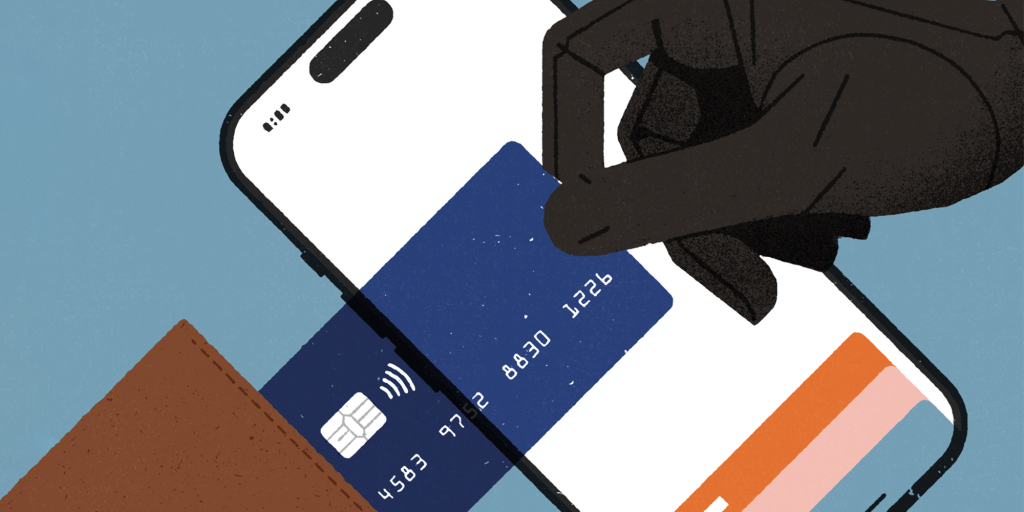
What they really wanted was access to my payment card information.
If I had entered my card number, expiry date and security code (CVV), they could have attempted to use those details for unauthorised transactions or sell the stolen information to other criminals.
That single SMS could have led to a much bigger financial problem.
The Biggest Warning Signs I Almost Missed
Looking back, the warning signs were there from the beginning.
Here are the biggest lessons I learned.
🚩 The Message Arrived Unexpectedly
Although I was expecting a parcel, I wasn’t expecting that particular message.
Scammers know millions of people shop online every day.
They send fake delivery texts to thousands of phone numbers, hoping some recipients are genuinely waiting for a package.
The timing is often just coincidence.
🚩 The Website Address Wasn’t Official
The fake website copied the courier company’s branding almost perfectly.
But the web address was different.
A few extra words.
A different domain.
A slight spelling variation.
Those tiny differences are often enough to reveal a phishing website.
Before entering personal or payment information, always check the full website address carefully.
🚩 The Tracking Information Was Too Generic
The page claimed my delivery had failed.
But it couldn’t tell me:
- The parcel tracking number.
- The sender.
- The delivery history.
- The item being delivered.
A legitimate courier normally provides detailed tracking information linked to your shipment.
A vague message should encourage you to verify independently.
🚩 They Asked for Card Details Immediately
The website quickly moved from “delivery problem” to “payment required.”
That should have made me stop.
Whenever an unexpected message asks you to enter payment card details, take extra care.
Especially if you didn’t initiate the request yourself.
🚩 The Fee Was Very Small
The redelivery fee wasn’t expensive.
That was intentional.
Criminals understand that many people won’t hesitate to pay a small amount.
The low cost reduces suspicion.
But the real objective isn’t collecting the fee.
It’s collecting your financial information.
How to Protect Yourself From Delivery SMS Scams
Since that experience, I’ve developed a few habits that have protected me from similar attacks.
Don’t Click Links in Unexpected Messages
If you receive a text claiming there’s a delivery problem:
Don’t open the link.
Instead:
- Open the courier’s official app.
- Type the company’s website address into your browser yourself.
- Enter your genuine tracking number.
Check Your Tracking Number
Always use the tracking number provided by the seller or retailer.
Don’t rely on tracking information displayed inside unexpected text messages.
Verify With the Courier
If you’re unsure whether a message is genuine, contact the courier using the customer service information published on its official website.
Never use contact details provided inside suspicious messages.
Keep Your Phone Updated
Install updates for:
- Your phone’s operating system.
- Your web browser.
- Security software, if you use it.
Updates help fix known security vulnerabilities.
Think Before You Pay
Ask yourself:
- Was I expecting this payment?
- Why would a courier suddenly ask for my card details?
- Can I verify this another way?
Those questions take only a few seconds.
They can prevent expensive mistakes.
Frequently Asked Questions
Can delivery companies send SMS messages?
Yes.
Many legitimate courier companies send text messages about deliveries.
However, if a message asks you to click an unexpected link, provide payment card details or pay additional fees, verify it through the courier’s official website or app before taking any action.
What if I already entered my card details?
If you believe you’ve entered your card information on a fraudulent website:
- Contact your bank or card issuer immediately.
- Explain what happened.
- Follow their advice about protecting your account, which may include monitoring transactions or replacing your card.
Acting quickly can reduce the risk of further loss.
How do criminals know I’m expecting a parcel?
Usually, they don’t.
They send large numbers of fake delivery messages to random people.
Some recipients happen to be expecting real deliveries, making the scam appear believable.
Is a small payment request always a scam?
No.
Some legitimate services may charge genuine delivery or customs fees.
The important step is to verify the request through the courier’s official website or by contacting the company directly before making any payment.
Final Thoughts
The fake delivery message looked convincing because it arrived at exactly the right time.
It copied a trusted courier.
It created a believable problem.
It offered a simple solution.
And it asked for just enough money that most people wouldn’t question it.
Fortunately, I paused before entering my card details.
That one decision protected my finances.
Today, whenever I receive an unexpected delivery message, I follow one simple rule:
Never trust the text. Trust the official website.
A few extra minutes spent verifying a delivery can protect your bank card, your personal information and your peace of mind.
In cybersecurity, the safest click is often the one you never make.
About the Author
Jackson Godwin is a Cybersecurity Consultant specialising in Vulnerability Assessment and Penetration Testing (VAPT), Governance, Risk and Compliance (GRC), ISO/IEC 27001, PCI DSS, Cloud Security, AI Security, and Digital Risk Management.
With years of experience helping organisations identify vulnerabilities, strengthen security controls, and improve cyber resilience, Jackson is passionate about making cybersecurity practical, easy to understand, and accessible to everyone.
Through JacksonTechnology.com.ng, he publishes cybersecurity awareness stories, ethical hacking tutorials, compliance guides, cloud security insights, AI security resources, and practical online safety tips to help individuals and businesses stay protected against evolving cyber threats.
His mission is to educate, empower, and inspire safer digital habits—one cybersecurity story at a time.