


By Jackson Godwin. Cybersecurity Analyst & Penetration Tester
The Person I Trusted Never Existed
After I stopped responding, the messages eventually stopped.
A few days later, the dating profile disappeared completely.
It had either been deleted or removed.
That confirmed what I had already suspected.
I hadn’t been talking to the person in the photographs.
I had been talking to someone hiding behind a stolen identity.
The relationship had been carefully created for one purpose:
To gain my trust before asking for money.
The Biggest Warning Signs I Almost Missed
Looking back, several warning signs were there from the beginning.
Here are the biggest lessons I learned.
🚩 Everything Happened Too Perfectly
The conversations felt effortless.
We shared the same interests.
The same goals.
The same opinions.
At first, I thought I had found someone unusually compatible.
Later, I realised they were probably adapting their personality to match mine.
Scammers often mirror their victims to build trust more quickly.
🚩 They Always Avoided Video Calls
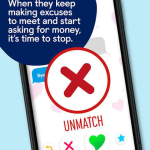
Every time I suggested a video call, there was another excuse.
- Poor internet connection.
- Broken camera.
- Busy schedule.
- Travelling.
- Feeling unwell.
One excuse might be genuine.
Repeated excuses over several weeks deserve careful attention.
🚩 The Emergency Appeared After Trust Was Built
Notice the timing.
The request for money didn’t happen on the first day.
It happened after weeks of friendly conversations.
The scammer invested time before asking for anything.
That’s how many romance scams work.
The relationship is built first.
The financial request comes later.
🚩 They Wanted Me to Feel Responsible
The scammer didn’t just ask for money.
They appealed to my emotions.
They wanted me to believe I was the only person who could help.
Emotional pressure is one of the strongest tools used in social engineering.
Whenever someone combines urgency with emotional guilt, pause before making financial decisions.
🚩 The Story Could Never Be Verified
Although they shared photographs and documents, none of it proved they were who they claimed to be.
A genuine video conversation or independent verification would have answered that question much more effectively.
Trust should be based on evidence—not just convincing stories.
How to Protect Yourself From Romance Scams
Today, I follow a few simple rules whenever I meet someone online.
Verify Their Identity
Before becoming emotionally or financially invested:
- Arrange a live video call.
- Be cautious if they repeatedly avoid face-to-face communication.
- Verify information independently where possible.
Never Rush Into Sending Money
If someone you’ve only met online asks for:
- Money.
- Cryptocurrency.
- Gift cards.
- Financial assistance.
Take time to verify the situation through independent means before making any decision.
Be Careful With Personal Information
Avoid sharing sensitive details such as:
- Passport copies.
- Banking information.
- Identity documents.
- Passwords.
- Verification codes.
Someone who genuinely cares about you should respect your privacy.
Watch for Emotional Manipulation
Be cautious if someone:
- Declares strong feelings unusually quickly.
- Says you’re the only person who can help.
- Makes you feel guilty for asking questions.
- Pressures you to act immediately.
Healthy relationships encourage trust—not pressure.
Talk to Someone You Trust
If you’re unsure about an online relationship, speak to:
- A trusted friend.
- A family member.
- Someone who can offer an independent opinion.
An outside perspective often notices warning signs that emotions can hide.
Frequently Asked Questions
Are all people on dating apps scammers?
No.
Millions of genuine people use dating apps to build real relationships.
However, as with any online platform, scammers may also be present.
Taking time to verify someone’s identity helps reduce your risk.
Why do romance scammers avoid video calls?
Some may avoid video calls because they are not the person shown in the profile photographs or because revealing their identity would end the scam.
Repeated refusal to communicate face-to-face is a warning sign worth investigating.
Why do scammers wait before asking for money?
Building trust first often makes financial requests seem more believable.
Many romance scams rely on developing an emotional connection before introducing an emergency or investment opportunity.
What should I do if I think I’m talking to a romance scammer?
If you suspect a scam:
- Stop sending money or personal information.
- Save relevant messages if you need to report the incident.
- Report the account through the dating platform.
- Block further communication if appropriate.
Final Thoughts
The cybercriminal didn’t steal my password.
They didn’t hack my phone.
They didn’t break into my computer.
Instead, they tried to earn something even more valuable.
My trust.
Fortunately, I chose verification over emotion.
Today, I follow one simple rule whenever I meet someone online:
No matter how genuine someone seems, I never send money or sensitive personal information until I have independently verified who they are.
Trust is something that should be built over time.
Cybercriminals know that.
That’s why they work so hard to earn it before trying to exploit it.
In cybersecurity, protecting your heart and protecting your data often go hand in hand.
About the Author
Jackson Godwin is a Cybersecurity Consultant specialising in Vulnerability Assessment and Penetration Testing (VAPT), Governance, Risk and Compliance (GRC), ISO/IEC 27001, PCI DSS, Cloud Security, AI Security, and Digital Risk Management.
With years of experience helping organisations identify vulnerabilities, strengthen security controls, and improve cyber resilience, Jackson is passionate about making cybersecurity practical, easy to understand, and accessible to everyone.
Through JacksonTechnology.com.ng, he publishes cybersecurity awareness stories, ethical hacking tutorials, compliance guides, cloud security insights, AI security resources, and practical online safety tips to help individuals and businesses stay protected against evolving cyber threats.
His mission is to educate, empower, and inspire safer digital habits—one cybersecurity story at a time.