


By Jackson Godwin. Cybersecurity Analyst & Penetration Tester
The Consumer Protection Office Explained Everything
Before returning home, I contacted the local consumer protection office to better understand what had happened.
The representative explained that not every poor exchange deal is illegal.
Some businesses legally disclose their fees and commissions.
The problem is that travelers often notice those costs only after the transaction is complete.
The lesson wasn’t just about scams.
It was about reading the full terms before exchanging money.
Why Travelers Lose Money
The officer explained that airports create the perfect environment for costly mistakes.
Most travelers are:
- Tired after long flights.
- Unfamiliar with local exchange rates.
- Carrying luggage.
- Trying to reach hotels or transportation quickly.
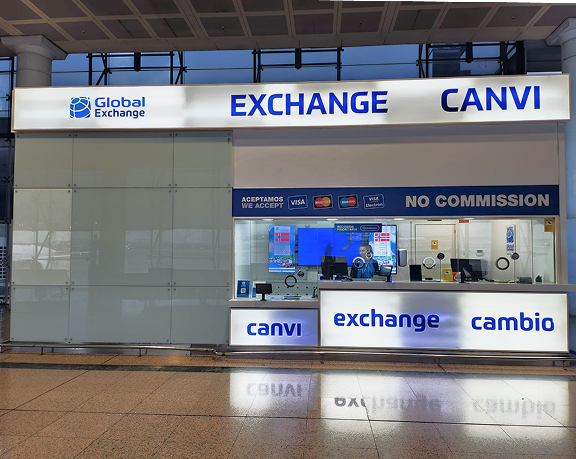
Under pressure, people naturally focus on the large numbers displayed on exchange boards instead of reviewing the complete transaction.
That’s exactly what happened to me.
The Advertisement Was Designed to Catch My Attention
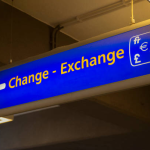
The large sign proudly displayed:
“Best Exchange Rate!”
Technically, the exchange rate itself wasn’t the problem.
The real issue was everything that came afterward.
Service charges.
Commission.
Administrative fees.
Those deductions changed the final amount I actually received.
The biggest number wasn’t the most important one.
The final amount was.
Warning Signs of Currency Exchange Scams
Looking back, several warning signs were easy to recognise.
🚩 Exchange Rates That Look Too Good
If one exchange booth offers dramatically better rates than everyone else nearby, take time to understand the complete transaction before proceeding.
🚩 Hidden Fees
Always ask:
- Is there a commission?
- Are there service charges?
- What is the total amount I will receive?
Don’t rely only on the advertised exchange rate.
🚩 Pressure to Complete the Transaction Quickly
Busy environments can encourage rushed decisions.
Take a few extra moments to review the receipt before accepting the transaction.
🚩 Unclear Pricing
If the employee cannot clearly explain the exchange calculation or the total fees, consider using another provider.
Transparency matters.
🚩 Failure to Compare Options
When practical, compare several exchange providers before making a decision.
The highest advertised rate does not always produce the best final result.
How to Protect Yourself While Traveling
Simple precautions can save you money.
- Compare multiple exchange providers.
- Ask about all fees before exchanging money.
- Read receipts before leaving the counter.
- Consider using reputable banking services or ATMs where appropriate for your situation.
- Monitor your bank account and card activity while traveling.
- Keep receipts in case you need to dispute a transaction or ask questions later.
Being informed is one of the best travel protections.
Frequently Asked Questions
Are airport currency exchanges always scams?
No.
Many airport exchange providers operate legitimately.
However, exchange rates and fees can vary significantly, so it’s wise to compare options and understand the total cost before completing a transaction.
What’s more important—the exchange rate or the fees?
Both matter.
A favourable exchange rate can still result in a poor deal if substantial commissions or service charges reduce the amount you ultimately receive.
How can I reduce the risk of overpaying?
Ask for the exact amount you’ll receive before confirming the transaction, compare different providers when possible, and review the receipt carefully before leaving the counter.
Final Thoughts
I never lost my wallet.
Nobody stole my passport.
Nobody picked my pocket.
Instead, I lost money because I rushed a financial decision after a long flight.
The experience taught me something valuable.
Not every scam involves fake money or criminals hiding in dark alleys.
Sometimes, the most expensive mistakes happen under bright airport lights.
The lesson I learned was simple.
Never judge a currency exchange by the advertised rate alone.
Always understand the final amount you’ll receive.
A few extra minutes of careful reading can protect both your travel budget and your peace of mind.
About the Author
Jackson Godwin is a Cybersecurity Consultant specialising in Vulnerability Assessment and Penetration Testing (VAPT), Governance, Risk and Compliance (GRC), ISO/IEC 27001, PCI DSS, Cloud Security, AI Security, and Digital Risk Management.
Through JacksonTechnology.com.ng, he publishes cybersecurity awareness stories, fraud prevention guides, ethical hacking tutorials, and practical online safety advice to help individuals and organisations recognise financial fraud, phishing attacks, AI-enabled scams, and other emerging cyber threats.
His mission is to make cybersecurity practical, relatable, and accessible—one cyberstory at a time.