By Jackson Godwin. Cybersecurity Analyst & Penetration Tester
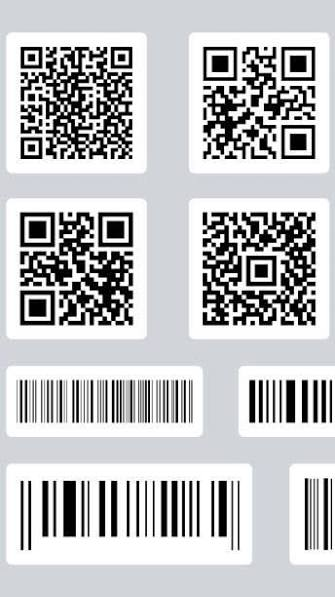
The QR Code Safety Checklist I Use Today
After the incident at the coffee shop, I promised myself something.
I would never scan another QR code without taking a few seconds to think first.
That doesn’t mean I stopped using QR codes.
Far from it.
I still use them in restaurants, airports, supermarkets, shopping malls, conferences, and for digital payments.
The difference is that I now follow a simple security checklist every single time.
It takes less than thirty seconds.
But it could save me from becoming the next victim of a phishing attack.
✅ Check Where the QR Code Is Located
Before scanning, ask yourself:
- Is this QR code placed by the business?
- Does it look professionally printed?
- Does it appear to have been pasted over another QR code?
- Is the sticker damaged or out of place?
If something looks suspicious, don’t scan it.
Instead, ask a staff member whether the QR code is genuine.
✅ Preview the Website Address
Many modern smartphones allow you to preview or view the destination before opening it.
Whenever possible, take a moment to inspect the web address.
Ask yourself:
- Does it belong to the company?
- Is the spelling correct?
- Does anything look unusual?
For example, a fake website may use a domain that looks similar to the real one but contains subtle differences.
Taking a few extra seconds can help you avoid entering your information on a fraudulent website.
✅ Never Enter Sensitive Information Without Verifying
One of the biggest mistakes people make is assuming that because they scanned a QR code, the website must be legitimate.
That’s not always true.
Before entering:
- Your password
- Banking details
- Credit or debit card information
- One-Time Passwords (OTPs)
- Personal identification details
Ask yourself one simple question:
“Do I completely trust this website?”
If the answer is no—or you’re unsure—stop and verify first.
✅ Keep Your Phone Updated
Cybersecurity isn’t only about avoiding scams.
It’s also about reducing your overall risk.
Keeping your smartphone updated helps protect you against known security vulnerabilities.
Whether you use Android or iPhone, installing security updates promptly is a good habit.
✅ Install Apps Only From Trusted Sources
Some malicious QR codes attempt to persuade users to download fake applications.
Whenever possible, download apps only from official app stores such as:
- Google Play Store
- Apple App Store
Be cautious if a QR code directs you to install software from an unfamiliar website.
What If You Already Scanned a Suspicious QR Code?
Don’t panic.
Scanning a QR code alone doesn’t automatically mean your phone has been compromised.
The level of risk depends on what happened after the scan.
Ask yourself:
- Did I only open a webpage?
- Did I enter my username and password?
- Did I submit payment details?
- Did I download an application?
If you entered your login credentials on a website you later suspect was fraudulent, act quickly.
Consider:
- Changing the password for the affected account.
- Enabling Multi-Factor Authentication if it isn’t already enabled.
- Monitoring your account for unusual activity.
- Contacting the relevant service provider if you believe your account has been compromised.
The sooner you respond, the better your chances of protecting your information.
Frequently Asked Questions
Are QR codes dangerous?
No.
QR codes themselves are simply a way of storing information, such as website addresses or contact details.
The risk comes from where they lead and whether the destination can be trusted.
Should I stop using QR codes completely?
No.
QR codes are widely used for legitimate purposes and are generally safe when provided by trusted businesses and organizations.
The key is to remain cautious and verify before entering sensitive information.
Can a QR code steal my information immediately?
Scanning a QR code does not automatically steal your personal information.
However, if it directs you to a fake website and you voluntarily enter sensitive details, attackers may be able to collect that information.
How can I reduce my risk?
Some simple habits include:
- Inspect the QR code before scanning.
- Verify the website address.
- Avoid entering passwords unless you’re certain the website is legitimate.
- Keep your phone updated.
- Use Multi-Factor Authentication on important accounts.
The Biggest Cybersecurity Lesson
As I walked away from the coffee shop that morning, one thought stayed with me.
Technology isn’t the enemy.
Cybercriminals simply adapt to whatever technology people trust.
Years ago, phishing attacks mainly arrived through email.
Then they moved to text messages.
Then social media.
Today, they also use QR codes.
Tomorrow, it may be something entirely different.
The tools will change.
The tactics will evolve.
But one habit will always remain effective.
Pause before you trust.
That single habit has prevented countless cybersecurity incidents.
Not only for me.
But for many of the organizations and individuals I’ve worked with throughout my career.
Final Thoughts
QR codes make life easier.
They help us pay bills.
Order food.
Access websites.
Download applications.
Share information.
There’s nothing wrong with using them.
The mistake is assuming every QR code is automatically safe.
Cybercriminals know that convenience often lowers our guard.
That’s why awareness is one of the most valuable cybersecurity tools we have.
The next time you see a QR code on a wall, a table, a parking meter, or a poster, remember this story.
Take a moment.
Look closely.
Verify before you trust.
Those few extra seconds could save you from becoming the next victim of a QR code scam.
About the Author
Jackson Godwin is a Cybersecurity Consultant specializing in Vulnerability Assessment and Penetration Testing (VAPT), Governance, Risk and Compliance (GRC), ISO/IEC 27001, PCI DSS, Cloud Security, AI Security, and Digital Risk Management.
With years of experience helping organizations identify vulnerabilities and strengthen their cybersecurity posture, Jackson is passionate about educating individuals and businesses on practical ways to stay safe online.
Through JacksonTechnology.com.ng, he publishes cybersecurity awareness stories, ethical hacking tutorials, compliance guides, AI security insights, cloud security resources, and practical tips designed to help readers understand modern cyber threats and protect themselves in an increasingly digital world.
Follow JacksonTechnology.com.ng for more cybersecurity guides, real-world security stories, and practical advice to help you stay one step ahead of cybercriminals.