


By Jackson Godwin.Cybersecurity Analyst & Penetration Tester
I Asked the Airport Information Desk
Still frustrated, I walked to the airport’s information desk and explained what had happened.
The employee listened carefully.
Then she asked one question.
“Did you exchange money at the official airport bureau?”
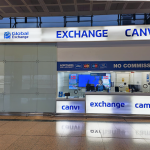
I pointed toward the smaller booth.
She sighed.
“You’re not the first person to complain.”
The Exchange Rate Was Only Part of the Story
The employee explained that some exchange businesses advertise attractive exchange rates but apply substantial fees or commissions during the transaction.
The advertised rate isn’t necessarily the amount customers ultimately receive.
The final amount depends on all the charges included in the transaction.
I had focused on the exchange rate.
I hadn’t paid enough attention to the complete terms.
I Looked at the Receipt Again
This time, I read every line carefully.
The receipt listed several deductions.
Individually, they didn’t seem very large.
Combined, they significantly reduced the amount of local currency I received.
The information had been disclosed.
It just wasn’t obvious during the hurried transaction.
Other Travelers Were Upset Too
While standing near the counter, I noticed another tourist arguing with an employee.
Then another.
Several people were holding receipts and calculators.
Most of them were asking the same question.
“Why did I receive so much less than expected?”
The pattern became obvious.
Many customers had focused on the advertised rate without fully understanding the total cost of the exchange.
Why Tourists Are Common Targets
Later that evening, I spoke with a local travel guide.
He explained why visitors are especially vulnerable.
Travelers are often:
- Tired after long flights.
- Unfamiliar with local currency.
- In a hurry to leave the airport.
- Focused on transportation or accommodation.
Scammers understand that rushed decisions create opportunities.
I Compared the Rates
The next day, I visited a reputable exchange office in the city.
This time, I carefully reviewed the entire transaction before exchanging any money.
Although the advertised exchange rate looked slightly lower, the final amount I received was actually better because the fees were clearly explained.
The cheapest-looking offer had not been the best value.
The Lesson Cost Me Money
The amount I lost wasn’t enough to ruin my vacation.
But it was enough to teach me an expensive lesson.
Financial scams don’t always involve counterfeit money or stolen wallets.
Sometimes they rely on confusing pricing, hidden charges, or rushed decisions.
The money disappeared legally.
That made the mistake even harder to accept.
The Vacation Continued
I decided not to let one bad experience ruin my trip.
Instead, I became much more careful with every financial transaction that followed.
By the end of the holiday, I had learned more than I expected—not just about the country I was visiting, but also about protecting myself from travel-related financial fraud.
In the final part of this story, I’ll explain how deceptive currency exchange scams work, reveal the warning signs every traveler should know, and share practical tips to help you avoid losing money during your next international trip.
Continue Reading: The Airport Currency Exchange Scam (Part 3)