


By Jackson Godwin. Cybersecurity Analyst & Penetration Tester
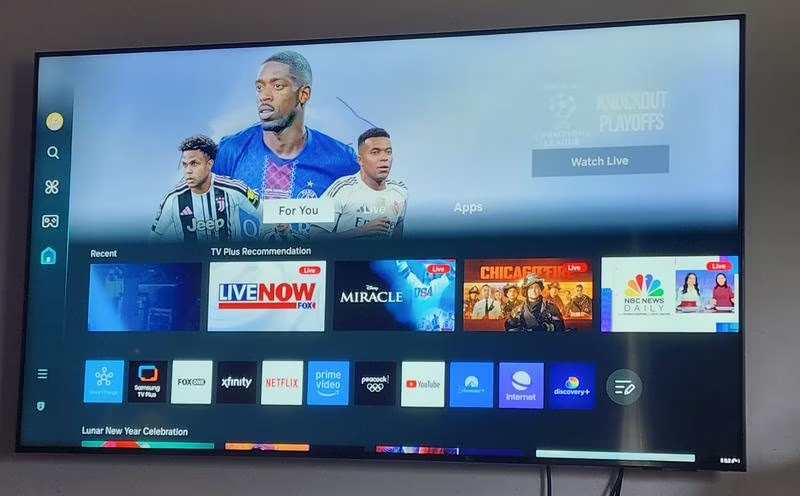
The Smart TV That Collected More Data Than I Expected
Disclaimer: This story is fictional but inspired by real privacy concerns involving internet-connected Smart TVs. It is written to educate readers about IoT security, digital privacy and protecting connected devices.
I Finally Bought a Smart TV
For years, I had wanted to replace my old television.
When I finally bought a modern Smart TV, I was excited.
It promised:
- Built-in streaming apps.
- Voice control.
- Personalised recommendations.
- Internet connectivity.
- Automatic software updates.
It felt more like buying a computer than a television.
The Setup Was Surprisingly Long
When I turned it on for the first time, the setup process asked me to:
- Connect to Wi-Fi.
- Create an account.
- Accept several terms and conditions.
- Enable personalised recommendations.
- Agree to privacy settings.
Like many people, I wanted to finish the setup quickly.
I clicked Accept several times without reading every detail.
The TV Learned My Habits Quickly
After a few days, something caught my attention.
The recommendations became surprisingly accurate.
Movies similar to those I had watched appeared on the home screen.
Television programmes I might enjoy were suggested automatically.
At first, I thought the feature was impressive.
Then I began wondering.
How much did the TV actually know about my viewing habits?
Then I Started Seeing Matching Advertisements
One evening, after watching several travel documentaries, I noticed something interesting.
The next day, advertisements related to travel began appearing in some of the streaming services I used.
Advertising can be influenced by many factors, including activity within individual apps, account settings and other online behaviour.
I couldn’t conclude that the television itself was responsible.
But the experience made me think more carefully about how connected devices collect and use information.
I Decided to Review the Privacy Settings
Curiosity got the better of me.
I opened the TV’s settings menu.
Hidden inside were several options I hadn’t noticed during installation.
These included settings related to:
- Viewing recommendations.
- Usage information.
- Voice features.
- Diagnostic data.
Some options were already enabled because I had accepted the default settings during setup.
I Realised I Hadn’t Read Anything
During installation, I had been focused on getting the TV working.
I hadn’t taken time to understand:
- What information was being collected.
- Why it was being collected.
- Which features were optional.
- Which settings I could change later.
I had simply accepted the defaults.
The Television Was More Than a Screen
I suddenly realised something important.
This wasn’t just a television.
It was an internet-connected device with software, applications, online services and privacy settings.
Like a smartphone or computer, it could collect certain information depending on how it was configured and which services I chose to use.
That changed the way I thought about Smart TVs.
Convenience Came With Questions
The Smart TV offered incredible convenience.
Streaming services worked perfectly.
Voice search saved time.
Recommendations were genuinely useful.
But those benefits also raised an important question.
What information was I sharing in exchange?
(Continue in Part 2, where I’ll explain what I discovered inside the Smart TV’s privacy settings, reveal the warning signs I had overlooked during setup, and show how a few simple changes gave me more control over my personal information.)