


By Jackson Godwin. Cybersecurity Analyst & Penetration Tester.
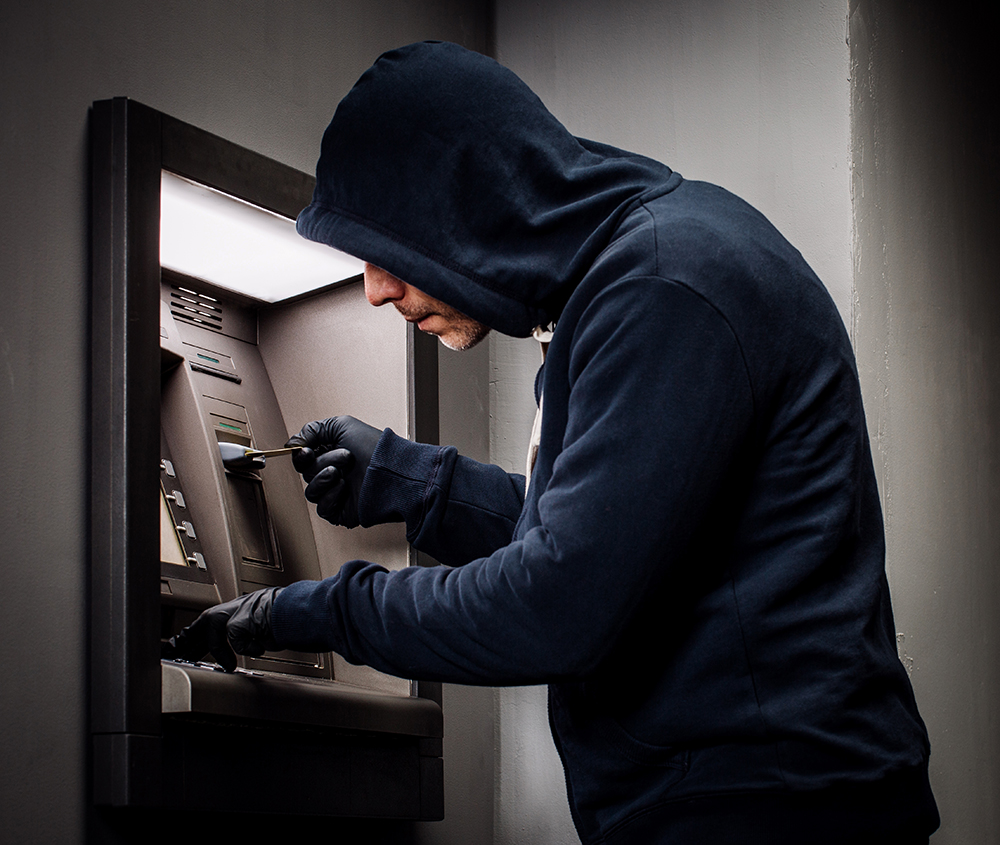
A Routine Withdrawal Became a Security Lesson
A few days after the incident, my bank issued me a replacement debit card.
The experience was inconvenient.
But it could have been much worse.
If I had simply walked away without reporting the problem, I might have discovered unauthorised transactions later.
That single decision—to call my bank immediately—protected my account from potential abuse.
It reminded me that quick action often limits financial damage.
The Biggest Warning Signs I Almost Missed
Looking back, there were several clues that something wasn’t right.
Here are the biggest lessons I learned.
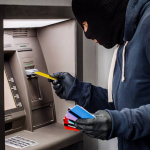
🚩 The Card Never Came Out
Normally, an ATM returns your card before ending the transaction.
When my card remained inside the machine after the transaction failed, I initially assumed it was a technical fault.
While ATMs can occasionally malfunction, a card that remains trapped should always be treated seriously until you’ve spoken with your bank.
🚩 A Stranger Offered Immediate Help
The man nearby appeared friendly.
He seemed to know exactly what buttons I should press.
Although many people genuinely try to help, be cautious about accepting instructions from strangers during banking transactions.
If you experience a problem, your safest source of guidance is your bank.
🚩 I Almost Left the ATM
Frustration nearly made me walk away.
That was probably the biggest mistake I almost made.
If your card is retained by an ATM, don’t simply assume you’ll collect it later.
Contact your bank immediately and follow their instructions.
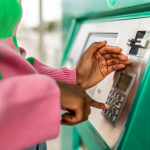
🚩 I Didn’t Inspect the ATM First
Before inserting my card, I hadn’t paid much attention to the machine itself.
Now I always take a quick look for anything unusual, including:
- Loose card readers.
- Damaged keypads.
- Objects are attached to the card slot.
- Signs that the machine has been tampered with.
Most ATMs are perfectly safe, but a brief visual inspection only takes a few seconds.
🚩 I Relied on Routine
Because I had used ATMs hundreds of times before, I stopped paying close attention.
Routine can sometimes reduce awareness.
Cybercriminals often rely on people assuming that “nothing unusual will happen.”
Remaining observant is one of the simplest ways to reduce risk.
How to Stay Safe at an ATM
Today, I follow a few simple habits whenever I withdraw cash.
Inspect the ATM Before Using It
Take a quick look at:
- The card slot.
- The keypad.
- The cash dispenser.
- The surrounding area.
If anything looks damaged, loose or unusual, consider using another ATM.
Shield Your PIN
Whenever you enter your PIN:
- Cover the keypad with your hand.
- Be aware of people standing unusually close.
- Take your time.
Protecting your PIN is just as important as protecting your card.
If Your Card Is Retained
If an ATM keeps your card:
- Stay calm.
- Contact your bank immediately using an official phone number.
- Follow the bank’s instructions.
- Don’t rely solely on advice from nearby strangers.
Acting quickly can help protect your account.
Use ATMs in Well-Lit, Busy Locations
Whenever practical, choose ATMs located:
- Inside bank branches.
- In shopping centres.
- In areas with good lighting and regular foot traffic.
A secure environment can reduce opportunities for criminal activity.
Monitor Your Account
After any unusual ATM incident:
- Check your account for unexpected transactions.
- Review your banking notifications.
- Report anything suspicious to your bank without delay.
Early reporting gives your bank the best chance to respond.
Frequently Asked Questions
Can an ATM legitimately keep my debit card?
Yes.
An ATM may retain a card for legitimate reasons, such as a technical malfunction, an expired card or security measures.
However, if your card is unexpectedly retained, contact your bank promptly rather than assuming it will be available later.
What should I do if my card is trapped?
The safest approach is to:
- Contact your bank immediately.
- Follow the bank’s instructions.
- Consider requesting that the card be blocked if advised.
Avoid leaving without understanding the next steps.
Should I accept help from strangers at an ATM?
While many people genuinely want to help, it’s safer to rely on your bank for advice during a banking incident.
If you need assistance, use the official customer service number printed on your bank card or available through your bank’s official channels.
Can card trapping scams still happen today?
Banks continue to improve ATM security, but criminals also adapt their techniques.
Remaining observant and following safe banking practices helps reduce your risk.
Final Thoughts
The ATM didn’t teach me to fear technology.
It taught me not to ignore unusual situations.
One retained card.
One unexpected conversation.
One quick phone call.
Those few minutes made the difference between replacing a debit card and potentially dealing with financial fraud.
Today, every time I use an ATM, I follow one simple rule:
If something doesn’t feel right, stop the transaction and contact your bank before taking any further action.
In cybersecurity—and in banking—acting quickly is often one of the best forms of protection.
About the Author
Jackson Godwin is a Cybersecurity Consultant specialising in Vulnerability Assessment and Penetration Testing (VAPT), Governance, Risk and Compliance (GRC), ISO/IEC 27001, PCI DSS, Cloud Security, AI Security, and Digital Risk Management.
With years of experience helping organisations identify vulnerabilities, strengthen security controls, and improve cyber resilience, Jackson is passionate about making cybersecurity practical, easy to understand, and accessible to everyone.
Through JacksonTechnology.com.ng, he publishes cybersecurity awareness stories, ethical hacking tutorials, compliance guides, cloud security insights, AI security resources, and practical online safety tips to help individuals and businesses stay protected against evolving cyber threats.
His mission is to educate, empower, and inspire safer digital habits—one cybersecurity story at a time.