


By Jackson Godwin. Cybersecurity Analyst & Penetration Tester.
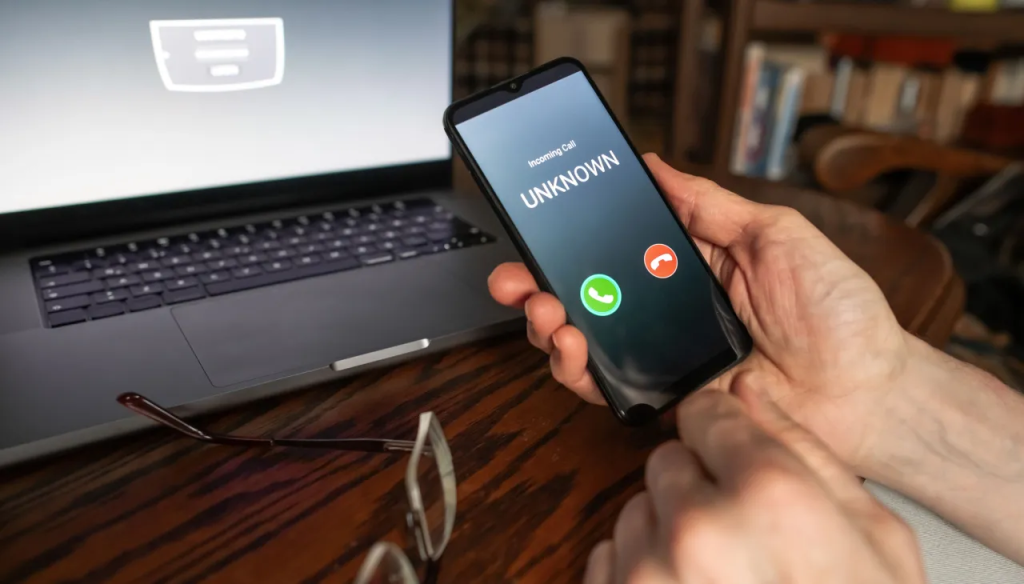
I Couldn’t Stop Thinking About the Call
After speaking with my real brother, I replayed the conversation in my head.
Every word.
Every pause.
Every sentence.
The voice had sounded so real that I was convinced it was him.
If I had transferred the money immediately, I would have realised the truth only after it was too late.
That experience left me wondering one thing.
How can criminals make a computer sound exactly like someone you know?
The Answer Was Artificial Intelligence
As I began researching, I discovered that modern Artificial Intelligence has become incredibly good at copying voices.
Using voice-cloning technology, AI systems can learn how a person speaks by analysing recordings.
They study things like:
- Tone of voice.
- Speaking speed.
- Accent.
- Pronunciation.
- Natural pauses.
- Emotional expression.
After learning these patterns, the software can generate speech that sounds remarkably similar to the original speaker.
Not every AI-generated voice is perfect, but some are convincing enough to deceive people—especially during stressful situations.
Where Do Criminals Get Voice Samples?
At first, I wondered:
“How did they get my brother’s voice?”
The answer surprised me.
Many people unknowingly publish voice recordings every day.
Examples include:
- Videos on Facebook.
- TikTok clips.
- Instagram Reels.
- YouTube videos.
- WhatsApp voice notes.
- Podcasts.
- Public interviews.
Even short recordings may provide enough material for some voice-cloning tools to create a convincing imitation.
That doesn’t mean everyone with public videos will become a target, but it does show why awareness is important.
The Scam Was Carefully Planned
Looking back, I realised the scam wasn’t random.
Whoever called already knew:
- My name.
- My brother’s name.
- That we were close.
- My phone number.
They probably understood that if they created a believable emergency, I would be more likely to react emotionally than logically.
That wasn’t hacking.
It was social engineering.
Instead of attacking my computer, they were trying to manipulate my trust.
Why the Story Sounded So Believable
The caller didn’t invent an unbelievable situation.
He chose something realistic.
A stolen wallet.
A dying phone battery.
An urgent need for money.
Those are situations that happen to real people.
Scammers often build stories that feel familiar because familiar situations are easier to believe.
Then I Noticed Something Important
Although the voice sounded almost perfect…
The conversation itself didn’t.
Whenever I asked detailed questions, the caller avoided answering.
Instead, he kept repeating the same request.
“Please send the money.”
That was another warning sign.
Many scams focus on keeping the victim emotionally engaged rather than having a natural conversation.
I Started Researching Similar Cases
As I continued reading cybersecurity reports and news articles, I discovered that AI voice scams have affected families, businesses, and organisations around the world.
In many reported cases:
- Someone receives an urgent phone call.
- The caller sounds like a relative or colleague.
- An emergency is described.
- Money is requested immediately.
The exact story varies, but the strategy is remarkably similar.
The goal is to create enough panic that the victim acts before verifying the situation.
It Isn’t Just Family Members
AI voice cloning can also be used to impersonate:
- Company executives.
- Bank representatives.
- Business partners.
- Friends.
- Government officials.
- School staff.
Imagine receiving a call that sounds exactly like your manager asking you to urgently approve a payment.
Or someone claiming to be your bank asking you to “protect” your account.
As AI technology continues to improve, recognising these scams may become even more challenging.
One Habit Protected Me
When I think about that night, one decision made all the difference.
I didn’t send the money immediately.
I verified the request by calling my brother directly using the number I already had saved.
That simple step stopped the scam.
Sometimes cybersecurity isn’t about expensive software.
Sometimes it’s about taking sixty seconds to confirm a story before acting.
In the final part of this article, I’ll explain the biggest warning signs of AI voice scams, share practical ways to verify emergency requests from family members, and provide a simple checklist that could help protect you and the people you care about.
Continue Reading: The AI Voice Call That Sounded Exactly Like My Brother (Part 3)