


By Jackson Godwin. Cybersecurity Analyst & Penetration Tester
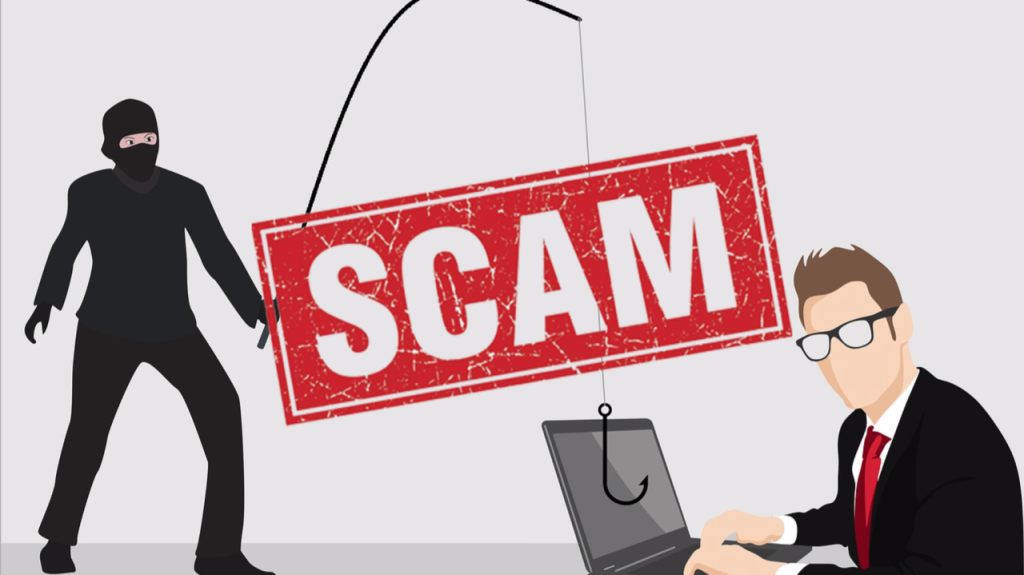
What Would Have Happened If I Opened the Attachment?
After receiving confirmation from the company’s HR department that the email was fake, I couldn’t stop thinking about one question.
What if I had clicked it?
What would have happened next?
Cybercriminals don’t send malicious attachments just to scare people.
They send them for one reason:
To gain access to your computer, your data, or your online accounts.
The attachment wasn’t simply a fake interview document.
It was likely the first step in a much larger cyberattack.
The Real Target Wasn’t My Laptop
Many people believe malware is designed to destroy computers.
That certainly happens in some attacks, but modern cybercriminals usually have a different goal.
They want information.
Think about everything stored on a typical laptop:
- Saved browser passwords
- Banking logins
- Email accounts
- Cryptocurrency wallets
- Company documents
- Client information
- Tax records
- Cloud storage access
- VPN credentials
- Personal photos and identity documents
To an attacker, your laptop is not just hardware.
It’s a doorway into your digital life.
One Click Can Start a Chain Reaction
Imagine opening the fake attachment.
Nothing unusual appears.
Perhaps a blank document.
Maybe an error message saying:
“Unable to open file.”
Many victims simply close the window and continue working.
What they don’t realize is that something may already have happened in the background.
Depending on the attack, malicious software could attempt to install itself, establish persistence, or contact an external server. Modern operating systems and security software often block these attempts, but attackers continue trying to exploit users through deceptive techniques.
This is why cybersecurity professionals emphasize prevention rather than relying solely on cleanup afterward.
Common Types of Malware Used in Job Scams
Recruitment scams often involve different types of malicious software.
Information Stealers
These are designed to search for sensitive information such as saved browser credentials, authentication cookies, or cryptocurrency wallet data.
Remote Access Trojans (RATs)
Some malware attempts to give attackers remote control over an infected device.
If successful, this could allow them to interact with the system without the owner’s knowledge.
Ransomware
Some attacks encrypt important files and demand payment in exchange for a decryption key.
Even then, there is no guarantee that files will be restored.
Downloaders
Sometimes the first malicious file doesn’t perform the attack itself.
Instead, it attempts to download additional malware later.
This layered approach makes detection more difficult.
Why Cybersecurity Professionals Are Also Targeted
People often assume attackers avoid cybersecurity experts.
Ironically…
Sometimes the opposite is true.
Security professionals often have access to:
- Corporate VPNs
- Client environments
- Security reports
- Internal documentation
- Administrative systems
- Cloud platforms
Compromising one security consultant could potentially provide attackers with valuable information or access.
That is why phishing campaigns increasingly target:
- Penetration testers
- SOC analysts
- Cloud engineers
- Compliance consultants
- IT administrators
- Software developers
Everyone is a potential target.
The Psychology Behind the Scam
The email I received wasn’t successful because it contained sophisticated hacking tools.
It was successful because it appealed to human emotions.
Attackers understand psychology extremely well.
They know people respond to:
Opportunity
A better salary.
A prestigious company.
Remote work.
Career growth.
Urgency
“Complete the assessment today.”
“Interview closes tomorrow.”
“Your application expires in 24 hours.”
These deadlines pressure victims into acting quickly instead of thinking carefully.
Authority
The email appeared to come from a respected employer.
People naturally trust organizations with recognizable names.
Attackers exploit that trust.
The Clues I Almost Missed
Looking back, several warning signs became obvious.
I Never Applied
That should have been the first question.
Why was I receiving an interview invitation?
The Salary Was Unrealistic
Scammers often advertise salaries that seem unusually attractive.
The goal is to make victims ignore warning signs.
The File Extension
The attachment appeared to be a PDF.
It wasn’t.
It was an executable file.
Modern versions of Windows can hide known file extensions by default, making malicious files look more convincing.
The Email Domain
The sender’s address looked legitimate.
But one letter had been changed.
A tiny detail.
A huge difference.
Always check the complete email address—not just the display name.
Safe Job Search Practices
If you’re searching for work online, these habits can help reduce your risk:
Verify the Company
Visit the company’s official website.
Look for the vacancy on their careers page.
If you can’t find it, contact the organization through official contact details.
Don’t Rush
Scammers want you to react emotionally.
Legitimate employers generally understand that candidates may need time to review documents carefully.
Be Careful With Attachments
Unexpected attachments deserve extra caution, especially executable files or documents that ask you to enable macros or disable security features.
Keep Security Software Updated
Modern security tools can help detect many known threats.
While no solution catches everything, keeping your operating system and security software updated adds an important layer of protection.
Trust Your Instincts
Sometimes your instincts notice something before your brain explains it.
If an email feels unusual…
Pause.
Verify.
Ask questions.
Cybersecurity often begins with healthy skepticism.
The Biggest Lesson
That fake recruitment email taught me something I already knew—but had nearly forgotten.
Cybercriminals don’t always rely on technical vulnerabilities.
Sometimes they rely on human ambition.
Everyone wants better opportunities.
Everyone wants career growth.
Attackers know that.
And they use it against us.
Fortunately, this story ended with a lesson instead of a compromise.
Not everyone is that lucky.
👉 End of Part 2
In Part 3, you’ll learn what to do if you’ve already opened a suspicious attachment, practical malware recovery steps, how to verify legitimate job offers, a cybersecurity checklist for job seekers, FAQs for SEO, the conclusion, and the About the Author section.