
By Jackson Godwin. Cybersecurity Analyst & Penetration Tester.
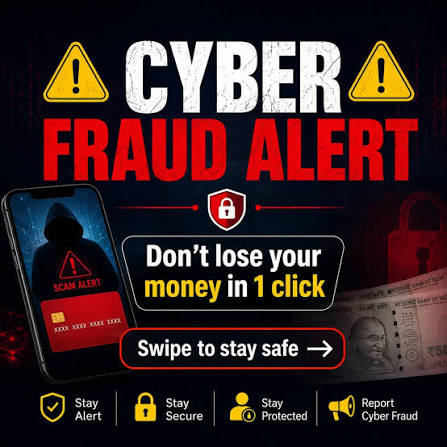
Disclaimer: The following story is a fictional case study inspired by common phishing attacks reported worldwide. It is written for cybersecurity awareness and educational purposes.
My friend clicked on one link and Lost Access to His Email
It Started With an Email That Looked Completely Normal
It was a Monday morning when my friend Daniel called me.
His voice was different.
He sounded worried.
“Bro,” he said, “I think someone has hacked my email.”
At first, I thought he had simply forgotten his password.
It happens all the time.
But within a few minutes, I realized this wasn’t an ordinary password problem.
Something much worse had happened.
The strange part was that Daniel wasn’t careless.
He worked in finance.
He was educated.
He knew the importance of protecting his online accounts.
Yet somehow, he had become the victim of one of the oldest tricks in cybersecurity.
Phishing.
Everything Began With One Email
Earlier that morning, Daniel received what appeared to be a security alert from his email provider.
The subject line read:
“Suspicious Login Attempt Detected – Immediate Action Required.”
The email looked convincing.
It contained the company’s logo.
The colours matched the official website.
Even the language sounded professional.
The message claimed someone had attempted to log into his account from another country.
To protect his account, he was instructed to verify his identity immediately by clicking a button labeled:
Secure Your Account
Daniel hesitated for a moment.
Then he clicked.
The Fake Login Page
The link opened a page that looked exactly like the real login screen.
There was nothing obviously suspicious.
No spelling mistakes.
No strange graphics.
No pop-up advertisements.
Everything looked genuine.
Daniel entered his email address.
Then his password.
The page displayed a loading icon for a few seconds before showing an error message.
“Session Expired. Please try again later.”
Thinking it was a temporary problem, Daniel closed the browser and continued with his day.
He had no idea that he had just handed his login credentials directly to cybercriminals.
The First Warning Sign
About thirty minutes later, Daniel’s phone started vibrating repeatedly.
He ignored the notifications because he was in a meeting.
When the meeting ended, he checked his phone.
There were several emails from his email provider.
The first one read:
“Your password has been changed successfully.”
The second said:
“Your recovery email has been updated.”
The third read:
“Two-factor authentication settings have been modified.”
Daniel’s heart sank.
He rushed to log in.
His password no longer worked.
He clicked Forgot Password.
The recovery email wasn’t his anymore.
His account had been taken over.
How the Attackers Worked
Cybercriminals didn’t hack the email provider.
They hacked the user.
The fake website simply collected Daniel’s username and password.
Within seconds, the attackers logged into his real account.
Once inside, they changed the password, updated the recovery information, and attempted to lock him out completely.
To them, it was just another successful phishing attack.
To Daniel, it felt like his digital identity had disappeared overnight.
(Continue with sections on why email accounts are valuable, the dangers of account takeover, step-by-step account recovery, phishing warning signs, prevention tips, FAQs, and the author bio.)
About the Author
Jackson Godwin is a Cybersecurity Consultant specializing in Vulnerability Assessment and Penetration Testing (VAPT), Governance, Risk and Compliance (GRC), ISO/IEC 27001, PCI DSS, Cloud Security, AI Security, and Digital Risk Management.
Through JacksonTechnology.com.ng, he publishes practical cybersecurity tutorials, penetration testing guides, compliance resources, and security awareness articles to help individuals and organizations stay ahead of evolving cyber threats. His mission is to make cybersecurity understandable, practical, and accessible to everyone.