



By Jackson Godwin. Cybersecurity Analyst & Penetration
The Cybercrime Unit Explained the Scam
Several weeks later, investigators explained how the operation worked.
The criminals didn’t need to hack my computer.
They didn’t need malware.
They simply convinced me to voluntarily hand over my identity documents.
By the time I realised the interview was fake, they already had everything they needed.
The attack succeeded because it looked like a normal recruitment process.
Why AI Recruitment Scams Are Growing
The investigators explained that remote hiring has changed how companies recruit.
Today, many legitimate employers use:
- Online interviews.
- Video assessments.
- Digital identity verification.
- AI-assisted recruitment tools.
Cybercriminals understand this.
Instead of inventing unrealistic scams, they imitate real hiring practices.
The more realistic the process appears, the easier it becomes to gain a victim’s trust.
My Identity Became the Product
The fake job wasn’t the product.
My identity was.
The attackers wanted:
- Government-issued identification.
- Facial images.
- Verification videos.
- Personal contact information.
Those details can be valuable to criminals who attempt identity-related fraud.
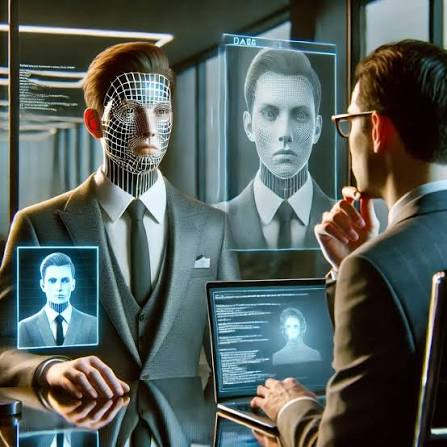
What looked like a hiring process was actually a data collection operation.
Warning Signs of AI Recruitment Scams
Looking back, several warning signs were easy to recognise.
🚩 You Don’t Remember Applying
If you’re contacted about a position you don’t remember applying for, verify the opportunity before continuing.
Mistakes happen—but so do scams.
🚩 Identity Documents Requested Too Early
Legitimate employers may request identification during parts of the hiring process.
However, be cautious if extensive identity documents are requested before you’ve confirmed the employer’s authenticity or received a genuine offer.
🚩 Pressure to Complete Verification Quickly
Scammers often claim:
- Your application will expire.
- Another candidate will take your place.
- Verification must happen immediately.
Urgency reduces careful thinking.
🚩 Unverified Recruitment Platforms
If you’re directed to an unfamiliar recruitment portal, independently verify that it belongs to the company.
Whenever possible, access career pages directly from the employer’s official website.
🚩 Communication Stops After Verification
If a company suddenly disappears after collecting your documents, treat the situation seriously.
Don’t assume they’re simply busy.
How to Protect Yourself During Online Job Applications
A few simple habits can reduce your risk.
- Apply through official company career pages whenever possible.
- Verify recruiters using official company contact information.
- Confirm interview invitations independently if anything seems unusual.
- Be cautious when uploading identity documents before verifying the employer.
- Enable strong security on your email account, since many job applications begin there.
- Monitor financial and identity-related activity if you believe your personal information has been exposed.
Finding the right job should never require sacrificing your digital identity.
Frequently Asked Questions
Do legitimate companies use AI during interviews?
Yes.
Some organisations use AI-assisted tools during recruitment.
However, legitimate employers should also have transparent recruitment processes and verifiable contact information.
Is it safe to upload my passport during a job application?
Some employers may request identification during hiring.
Before providing sensitive documents, confirm that you’re dealing with the genuine organisation and understand why the documents are required.
What should I do if I think my identity documents were stolen?
Contact the relevant organisations as soon as possible.
Depending on your situation, this may include your financial institutions, government agencies responsible for identity documents, and local law enforcement or cybercrime reporting channels.
Final Thoughts
The interview felt professional.
The company looked genuine.
The AI interviewer sounded convincing.
Everything about the process encouraged trust.
That’s exactly what made it dangerous.
The attackers didn’t steal my identity through sophisticated hacking.
They persuaded me to hand it over myself.
The lesson I learned was simple.
Always verify the employer before verifying yourself.
Because in today’s digital world, your identity is one of your most valuable assets.
Protect it as carefully as you protect your money.
About the Author
Jackson Godwin is a Cybersecurity Consultant specialising in Vulnerability Assessment and Penetration Testing (VAPT), Governance, Risk and Compliance (GRC), ISO/IEC 27001, PCI DSS, Cloud Security, AI Security, and Digital Risk Management.
Through JacksonTechnology.com.ng, he publishes cybersecurity awareness stories, ethical hacking tutorials, compliance guides, and practical online safety advice to help individuals and organisations recognise phishing attacks, identity theft, AI-enabled scams, and emerging cyber threats.
His mission is to make cybersecurity practical, relatable, and accessible—one cyberstory at a time.