By Jackson Godwin. Cybersecurity Analyst & Penetration Tester.
The Investigation Started Immediately
After speaking with my bank, I reported the incident to the appropriate authorities and contacted the real company whose name had appeared in the interview invitation.
The response surprised me.
The company replied:
“We have never interviewed you.”
They also confirmed they did not use the AI interview platform I had accessed.
Someone had impersonated their entire recruitment process.
The Website Disappeared Overnight
I tried opening the interview link again.
It no longer worked.
The recruitment portal had vanished.
The email address that had communicated with me also stopped accepting messages.
Within days, every trace of the fake recruitment platform had disappeared.
The scammers had already moved on to their next victims.
My Documents Were the Real Target
The cybersecurity investigator explained what had happened.
The interview questions were only there to make the experience feel genuine.
The real objective was collecting:
- My passport.
- My driver’s licence.
- My facial photographs.
- My verification video.
Those documents are extremely valuable to identity thieves.
They can be misused in different types of fraud depending on the criminals’ goals.
Why the Video Was Important
One detail bothered me.
Why had they asked me to read random numbers while recording myself?
The investigator explained that fraudsters sometimes request dynamic verification videos because static photographs alone may not satisfy certain verification processes.
A person reading changing numbers appears more convincing than a simple passport photo.
That requirement should have been a warning sign.
Instead, I believed it was part of a professional hiring process.
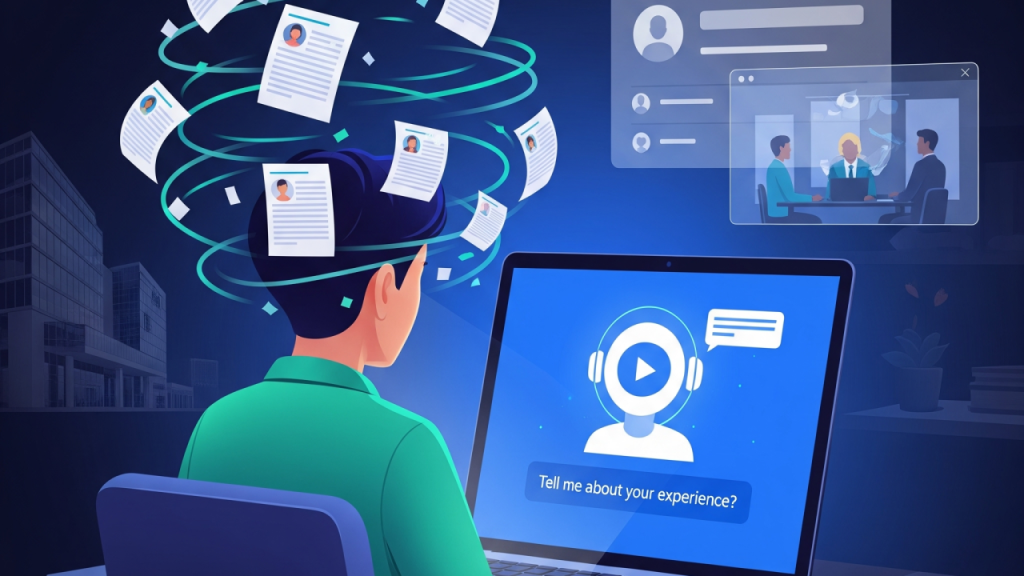
The Fake AI Interview Made Everything Feel Real
The investigator believed the realistic AI interviewer played a major role in lowering my suspicions.
It smiled.
It reacted naturally.
It asked intelligent follow-up questions.
The experience felt more authentic than many genuine online interviews.
Technology wasn’t the real danger.
The danger was how convincingly criminals used it to build trust.
The Company Was Also a Victim
When I finally spoke with the real company’s HR department, they told me they had already received several complaints from job seekers.
The scammers had copied:
- Their company name.
- Their branding.
- Their recruitment language.
- Their online presence.
The company’s reputation had become another tool in the fraud.
They were victims too.
I Spent Weeks Repairing My Identity
The financial damage was only one part of the problem.
I had to:
- Monitor my credit activity.
- Replace compromised identification where necessary.
- Notify financial institutions.
- Respond to fraud investigations.
Recovering from identity theft took far longer than the fake interview itself.
One hour of interviewing created weeks of work.
The Job Never Existed
Looking back, I realised something important.
The scammers never intended to hire anyone.
There was no vacancy.
No recruitment team.
No employment offer.
The interview was simply a sophisticated method of convincing people to hand over highly sensitive personal information willingly.
In the final part of this story, I’ll explain how AI recruitment scams work, reveal the warning signs every job seeker should recognise, and share practical ways to protect your identity during online job applications.
Continue Reading: The AI Job Interview That Stole My Identity (Part 3)