


By Jackson Godwin. Cybersecurity Analyst & Penetration Tester.
The Investigation Finally Ended
Several weeks later, the bank contacted me with the final results of the investigation.
The fraudulent transactions were confirmed as unauthorized.
Because I reported the incident immediately, the disputed charges were reversed according to the bank’s fraud investigation process.
I received a replacement credit card with a new number.
The compromised card was permanently cancelled.
The experience reminded me how important it is to report suspicious transactions as quickly as possible.
The Criminal Didn’t Steal My Wallet
The investigator explained something interesting.
The waiter never intended to steal anyone’s wallet.
That would have attracted immediate attention.
Instead, the criminals wanted something far more valuable:
The payment card information.
If they could obtain the card number and other necessary details, they could attempt fraudulent transactions without ever taking the physical card.
Most victims wouldn’t realise anything was wrong until transaction alerts started appearing.
The Biggest Mistake I Made
Looking back, I realised my biggest mistake wasn’t paying by card.
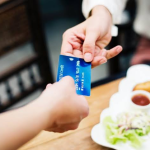
It was allowing my card to leave my sight.
Those few minutes created an opportunity.
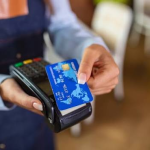
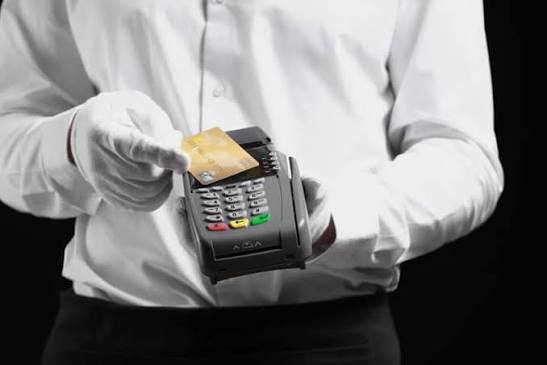
Today, many restaurants use portable payment terminals that allow customers to keep their cards in front of them throughout the transaction.
Whenever possible, I now prefer that method.
Warning Signs of Card Cloning Scams
The experience taught me several important lessons.
🚩 Your Card Leaves Your Sight
Whenever possible, keep your payment card with you during the entire transaction.
If a business routinely takes cards to another room, consider asking whether payment can be completed at the table or directly at the payment terminal.
🚩 Unexpected Transaction Alerts
Never ignore banking notifications.
Even a small unauthorized purchase may be a test transaction before larger fraudulent charges are attempted.
🚩 Multiple Small Purchases
Fraudsters sometimes begin with small purchases to determine whether a compromised card is still active.
Monitor your account regularly for transactions you don’t recognise.
🚩 Delayed Discovery
Many victims don’t notice fraudulent activity until they review monthly statements.
Checking your account frequently helps detect suspicious activity much earlier.
🚩 Unusual Spending Locations
If your bank reports transactions from unfamiliar merchants or countries you haven’t visited, investigate immediately.
How to Protect Your Payment Card
Simple habits can significantly reduce your risk.
- Keep your card within sight whenever possible.
- Enable instant transaction notifications through your bank.
- Review account activity regularly.
- Report suspicious charges immediately.
- Use contactless or chip-based payments where available.
- Avoid sharing your PIN with anyone.
- Replace compromised cards promptly after confirmed fraud.
No payment method is completely risk-free, but quick detection can greatly reduce the impact of fraud.
Frequently Asked Questions
Can someone clone a card without stealing it?
Criminals have used various techniques to obtain payment card information without permanently taking the physical card.
The specific methods vary, but protecting your card details and monitoring your account remain important security practices.
What should I do if I notice unauthorized card transactions?
Contact your bank or card issuer immediately using its official contact information.
Prompt reporting allows the institution to block the card, investigate the transactions and advise you on the next steps.
Is it safer to keep my card in sight?
Keeping your payment card within your view during a transaction reduces opportunities for unauthorized handling.
Where available, portable payment terminals can help customers maintain visual control of their cards.
Final Thoughts
The most dangerous part of the scam wasn’t sophisticated hacking.
It was a routine payment.
A friendly waiter.
A normal dinner.
Nothing felt suspicious until the transaction alerts started arriving.
That’s what makes payment card fraud so dangerous.
It often begins during completely ordinary moments.
The lesson I learned was simple.
Never assume your card details are safe simply because your card is still in your wallet.
Monitor your accounts.
Read every transaction alert.
And whenever possible, keep your payment card where you can see it.
Sometimes, the safest place for your card is exactly where it started—
In your own hands.
About the Author
Jackson Godwin is a Cybersecurity Consultant specialising in Vulnerability Assessment and Penetration Testing (VAPT), Governance, Risk and Compliance (GRC), ISO/IEC 27001, PCI DSS, Cloud Security, AI Security, and Digital Risk Management.
Through JacksonTechnology.com.ng, he publishes cybersecurity awareness stories, ethical hacking tutorials, compliance guides, and practical online safety advice to help individuals and organisations recognise payment fraud, phishing attacks, ransomware, AI-enabled scams, and other emerging cyber threats.
His mission is to make cybersecurity practical, relatable, and accessible—one cyberstory at a time.