


By Jackson Godwin. Cybersecurity Analyst & Penetration Tester.
The Fraud Investigator Explained It
The next morning, the bank’s fraud investigator called me.
After reviewing the transactions, he said something surprising.
“Your physical card was probably never stolen.”
Instead, he believed the card information had been copied.
That explained why my card was still safely inside my wallet while someone else was using its details.
I Returned to the Restaurant
I decided to visit the restaurant again.
I politely asked to speak with the manager.
When I explained what had happened, he looked genuinely concerned.
Then he asked:
“Was your card taken away from your table?”
I nodded.
The manager became very quiet.
I Wasn’t the First Customer
After checking their records, the manager admitted something disturbing.
Several customers had recently reported fraudulent transactions after dining there.
At first, they thought it was just a coincidence.
Now, the complaints were beginning to form a pattern.
The restaurant immediately started reviewing security camera footage.
The Security Cameras Revealed Something Strange
The investigators later discovered that one waiter regularly disappeared into a small storage room before processing customers’ payments.
He didn’t always go directly to the official payment terminal.
Sometimes he stayed out of sight for only a few seconds.
Those few seconds were enough.
The Tiny Device
Police later recovered a small electronic device hidden inside the storage room.
It wasn’t much bigger than a smartphone.
The investigators believed it had been used to capture payment card information.
The waiter allegedly didn’t need to steal customers’ cards.
He only needed a few moments alone with them.
The Criminals Didn’t Need My Card
The investigator explained that many fraudsters don’t need the physical card.
Once they obtain enough payment information, they may attempt to use it for:
- Online shopping.
- Digital subscriptions.
- Fraudulent purchases.
- Other unauthorised transactions.
The physical card stays with the victim.
The stolen data becomes the real target.
The Restaurant Cooperated Fully
To their credit, the restaurant immediately:
- Suspended the employee.
- Reported the incident to law enforcement.
- Contacted affected customers.
- Updated their payment procedures.
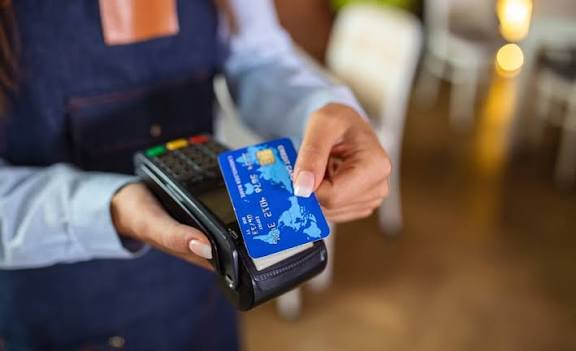
From that day forward, portable payment terminals were brought directly to customers’ tables whenever possible.
The manager admitted that allowing cards to disappear from customers’ sight created unnecessary risk.
I Was Lucky
Because my bank detected unusual activity quickly, the financial loss was limited.
If I hadn’t received transaction alerts—or if I had ignored them—the criminals might have continued using my card for much longer.
One dinner.
One payment.
One brief moment when my card left my sight.
That was all it took.
In the final part of this story, I’ll explain how payment card cloning works, reveal practical ways to reduce your risk, and share the warning signs every cardholder should know before handing over a payment card.
Continue Reading: The Restaurant Waiter Who Secretly Cloned My Credit Card (Part 3)