By Jackson Godwin. Cybersecurity Analyst & Penetration Tester.
I Asked a Simple Question
Instead of reading the CVV, I stopped.
Then I asked:
“Why does the bank need my CVV? You issued the card.”
There was a brief pause.
Not long enough to seem suspicious.
Just long enough for the caller to respond.
Then he calmly replied:
“This is part of our fraud verification procedure.”
The answer sounded confident.
But it didn’t actually answer my question.
The Pressure Started
When I continued to hesitate, his tone changed slightly.
He became more urgent.
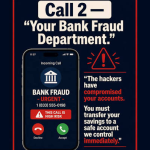
“Sir, if we don’t complete verification immediately, your account may remain restricted.”
Then he added:
“Time is very important because the fraudsters may attempt another transaction.”
The pressure was increasing.
The goal was obvious.
Make me act before I have time to think.
The Conversation Felt Unbelievably Real
The most frightening part wasn’t the story.
It was the voice.
It didn’t sound robotic.
It sounded calm.
Professional.
Patient.
The caller even paused naturally while speaking.
If I hadn’t questioned the request for my CVV, I probably would have believed every word.
I Decided to Test Him
Instead of answering, I asked another question.
“Can I hang up and call the bank using the number on the back of my card?”
There was another short pause.
Then he replied:
“That isn’t necessary. We’re already handling your case.”
That response immediately raised another red flag.
Legitimate banks generally encourage customers to use official contact channels if they have concerns about a call.
Someone trying to stop you from verifying their identity deserves extra caution.
Something Else Didn’t Feel Right
As the conversation continued, I noticed another detail.
The caller avoided specific answers.
Whenever I asked technical questions, he responded with general statements.
For example:
“It’s standard procedure.”
“Our system requires verification.”
“We’re protecting your account.”
The explanations sounded reassuring.
But they lacked real detail.
I Ended the Call
Instead of continuing, I politely said:
“Thank you. I’ll contact the bank directly.”
Before he could reply, I ended the call.
Within seconds, my phone rang again.
Same caller ID.
I ignored it.
Then another call.
And another.
The urgency alone confirmed I had made the right decision.
I Contacted the Real Bank
Using the official phone number printed on the back of my card, I called my bank.
After verifying my identity, I explained everything.
The representative immediately confirmed:
There were no suspicious transactions.
Nobody from the fraud department had contacted me.
The bank would never ask for my CVV over the phone.
The call I had received was fraudulent.
If I had provided the CVV, the criminals could have attempted to use my card details for unauthorised transactions.
The Investigator Explained What Was Happening
The bank’s fraud specialist told me something surprising.
Criminals are increasingly using AI to make scam calls sound more convincing.
Modern AI-generated voices can:
Sounds calm and natural.
Respond conversationally.
Mimic customer service interactions.
Reduce the obvious signs that older scam calls often have.
Technology had made the scam more believable.
But the objective hadn’t changed.
They still wanted my financial information.
In the final part of this story, I’ll explain how AI voice scams work, reveal practical ways to recognise them, and share the simple rule that can protect you even when the voice sounds completely genuine.
Continue Reading:The AI Voice Call That Asked for My CVV (Part 3)