The Soldier Who Was Never Really Overseas (Part 2)
July 30, 2026
Com 0
By Jackson Godwin. Cybersecurity Analyst & Penetration Tester.
The Emergency Sounded Convincing
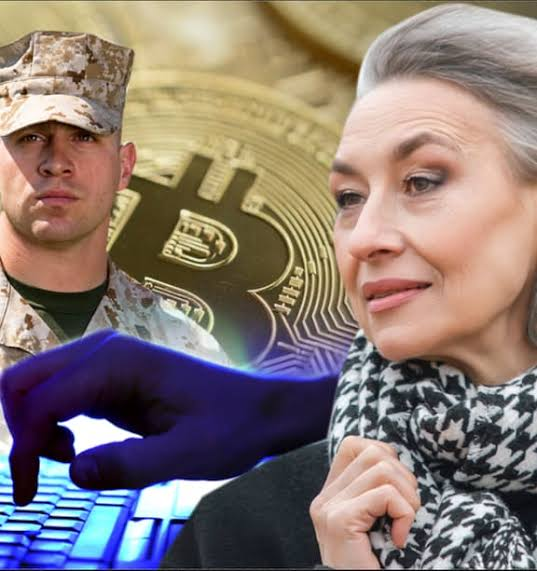
A few days after telling me his deployment was ending, he sent a worried message.
According to him, there had been a problem with his military paperwork.
He claimed he couldn’t leave the base until certain administrative fees had been settled.
He sounded embarrassed.
“I hate asking you for this.”
“I’ve never asked anyone for help before.”
At first, it didn’t sound like a scam.
It sounded like someone in a difficult situation.
He Explained Everything in Detail
To make the story believable, he provided plenty of information.
He claimed:
His salary had been delayed.
He couldn’t access his personal bank account while deployed.
Military regulations prevented him from handling the issue himself.
Once he returned home, he would repay every penny.
The explanation was detailed enough to sound genuine.
Looking back, I realise that scammers often use detailed stories to reduce suspicion.
He Sent Official-Looking Documents
A few hours later, he sent what appeared to be military paperwork.
The documents looked professional.
They included:
Official-looking logos.
Stamps.
Signatures.
Reference numbers.
At first glance, everything appeared authentic.
But impressive documents can be created or edited surprisingly easily.
Appearance alone isn’t proof.
He Promised We’d Finally Meet
He reminded me of everything we had discussed over the past few months.
Our future.
Our plans.
The life we wanted together.
Then he said:
“Once this is sorted, I’ll be on the first flight home.”
That promise made the request feel temporary.
Helping him felt like helping our future together.
Something Still Didn’t Feel Right
Despite everything, one question stayed in my mind.
If he was really serving in the military, why would he need money from someone he had only met online?
Wouldn’t his employer or military organisation handle official travel and administrative matters?
The more I thought about it, the less sense the story made.
I Asked for a Video Call Again
I decided to verify his identity before making any decision.
I sent a simple message.
“Let’s have a short video call tonight.”
His response arrived quickly.
“That’s impossible.”
He explained that security regulations prohibited video communication.
It sounded convincing.
But it was also the same explanation I had heard for months.
There was always another reason why seeing his face live wasn’t possible.
I Started Researching Military Romance Scams
Curious, I searched online for similar situations.
What I found surprised me.
Many victims described almost identical experiences.
The fake soldier.
The overseas deployment.
The delayed salary.
The urgent paperwork.
The promise of coming home.
Even the wording of some messages was remarkably similar.
It was as if someone had followed a script.
The Pieces Began to Fit Together
For the first time, I stepped back and looked at the entire relationship.
Months of conversations.
No successful video call.
Professional-looking documents.
An emotional relationship.
An unexpected financial emergency.
Promises that everything would be resolved after one payment.
Separately, each detail seemed believable.
Together, they pointed to something very different.
I realised I might not be talking to a soldier at all.
In the final part of this story, I’ll reveal how I confirmed the fake military identity, explain why scammers frequently impersonate soldiers, and share practical steps you can take to avoid becoming the next victim of a military romance scam.
Continue Reading:The Soldier Who Was Never Really Overseas (Part 3)