



By Jackson Godwin. Cybersecurity Analyst & Penetration Tester.
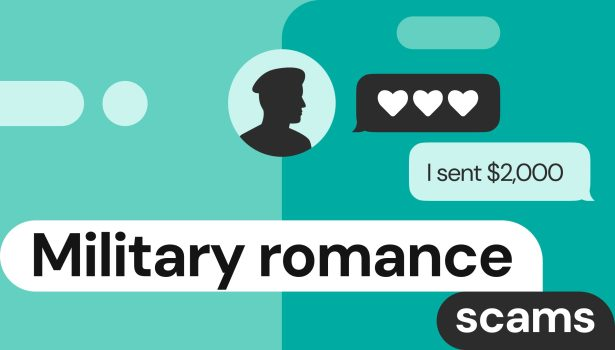
The Soldier Who Was Never Really Overseas
Disclaimer: This story is fictional but inspired by real military impersonation scams reported around the world. It is written to educate readers about romance scams, identity theft and social engineering.
The Friend Request That Changed Everything
It started with a simple friend request on social media.
His profile looked impressive.
He wore a military uniform in almost every photograph.
Some pictures showed him standing beside military vehicles.
Others showed him smiling with fellow soldiers.
His profile biography said he was serving on an overseas peacekeeping mission.
I accepted the request without thinking twice.
He Seemed Honest From the Beginning
Unlike many strangers online, he never flirted immediately.
Instead, we talked about everyday life.
He asked about:
- My family.
- My work.
- My hobbies.
- My future goals.
He also shared stories about military life.
Some were emotional.
Others were funny.
Everything sounded believable.
He Earned My Respect
Over the next few weeks, we spoke almost every day.
He often described how lonely life was while serving far from home.
He said the time difference made it difficult to stay connected with friends and family.
I admired his dedication.
Serving his country seemed like an honourable profession.
I never imagined someone would pretend to be a soldier just to deceive strangers.
The Relationship Became Personal
As time passed, our conversations became more emotional.
He would send messages every morning.
He always remembered important dates.
He listened whenever I had a difficult day.
Eventually, he admitted he had developed feelings for me.
To my surprise, I felt the same.
There Was Only One Problem
Despite months of conversations, we had never spoken face to face.
Whenever I suggested a video call, there was another explanation.
“Video calls aren’t allowed on the military base.”
Another time he said:
“For security reasons, we’re not permitted to use video.”
I didn’t know much about military operations.
His explanation sounded reasonable.
So I believed him.
The Stories Became More Detailed
He described:
- Long working hours.
- Dangerous missions.
- Limited internet access.
- Strict communication rules.
The more details he shared, the more genuine he appeared.
Looking back, I realised those stories weren’t building trust by accident.
They were carefully creating an identity I wouldn’t question.
Then He Started Talking About Coming Home
One evening, he sent me a message.
“My deployment will be ending soon.”
He said he couldn’t wait to finally meet me in person.
We started talking about:
- Airport pickups.
- Holidays together.
- Future plans.
For the first time, meeting him felt real.
I genuinely believed the distance between us would soon disappear.
Then an Unexpected Problem Appeared
A few days later, his tone suddenly changed.
He said there had been an unexpected issue with his deployment.
According to him, he needed help resolving a problem before he could return home.
Then came the sentence that changed everything.
“I need your help, and you’re the only person I trust.”
At that moment, I believed I was helping someone who had risked his life serving his country.
I had no idea I was actually talking to someone who wasn’t a soldier at all.
(Continue in Part 2, where I’ll explain the emergency he claimed to face, reveal the warning signs I ignored, and show how one simple verification exposed the fake military identity.)