The Perfect Girlfriend Who Never Wanted a Video Call (Part 3)
July 30, 2026
Com 0
By Jackson Godwin. Cybersecurity Analyst & Penetration Tester.
The Truth Finally Came Out
After I refused to send any money without a video call, her attitude changed completely.
The warm, caring person I had known for months suddenly became impatient.
She sent messages like:
“Don’t you trust me?”
“If you really loved me, you wouldn’t need proof.”
“I thought we were building a future together.”
For the first time, I realised our conversations were no longer about love.
They were about pressure.
I Stopped Responding
Instead of arguing, I decided to stop replying.
A few hours later, another message arrived.
This time it sounded desperate.
She claimed her situation had become even worse.
She said she had nobody else to turn to.
She begged me to help “just one last time.”
The more I refused, the more emotional the messages became.
Looking back, I realised the scammer was trying every possible psychological tactic before giving up.
Then the Account Disappeared
Two days later, I opened the dating app.
Her profile was gone.
I searched for her name.
Nothing.
I checked our chat history.
The account had either been deleted or removed.
Months of conversations had disappeared almost overnight.
That confirmed what I already suspected.
The relationship had never been real.
I Reported Everything
I reported the profile to the dating platform.
I also kept screenshots of our conversations and the payment requests.
Reporting suspicious accounts helps dating platforms identify patterns and remove fraudulent profiles, which may reduce the chances of others encountering the same scam.
Although I couldn’t recover the time I had invested emotionally, I hoped my report might help protect someone else.
Why Scammers Avoid Video Calls
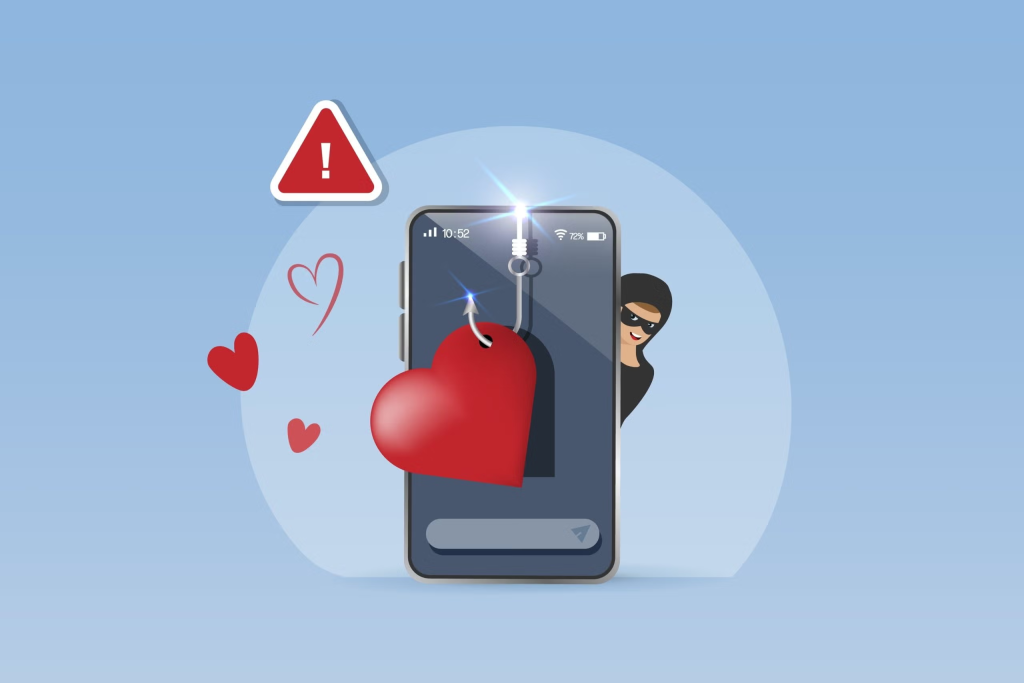
After researching romance scams, I discovered that avoiding video calls is one of the most common warning signs.
There can be several reasons:
The scammer is not the person in the profile photos.
The photographs belong to someone else.
They are using a completely fake identity.
A live conversation would expose the deception.
While there can be legitimate reasons for occasionally missing a video call, repeated avoidance over a long period deserves careful attention.
The Biggest Lessons I Learned
Looking back, these were the warning signs I ignored:
🚩 The Relationship Moved Too Fast
Within weeks, we were talking about love and a future together.
🚩 There Was Always an Excuse
Every video call was postponed for a different reason.
🚩 The Emergency Appeared After Trust Was Built
The financial request came only after months of emotional investment.
🚩 Guilt Was Used as a Weapon
Instead of answering my questions, she tried to make me feel guilty for asking them.
How to Protect Yourself From Romance Scams
If you meet someone online:
Arrange a live video call before becoming emotionally or financially invested.
Be cautious if someone repeatedly refuses face-to-face communication.
Never send money simply because someone claims to love you.
Verify photographs and information independently where appropriate.
Discuss concerns with trusted friends or family if something doesn’t feel right.
Report suspicious accounts to the platform.
Frequently Asked Questions
Is refusing a video call always a scam?
No.
Someone may occasionally be unavailable or uncomfortable.
However, repeated excuses over weeks or months—especially when combined with requests for money—should be treated as a warning sign.
Why do romance scammers spend so much time chatting?
Because trust is their most valuable tool.
The stronger the emotional connection, the more likely a victim is to believe an emergency story or financial request.
Can romance scammers steal real people’s photos?
Yes.
Some scammers use photographs taken from social media profiles or other public websites to create convincing fake identities.
Final Thoughts
The person I believed I loved never existed.
The photos were real.
The conversations felt real.
The emotions were real.
But the identity behind the screen was not.
That experience taught me one lesson I will never forget:
Love should never require you to ignore obvious warning signs.
Today, I follow one simple rule whenever I build relationships online:
If someone repeatedly refuses reasonable verification but asks for trust—or money—I walk away.
Cybersecurity isn’t just about protecting your devices.
Sometimes, it’s about protecting your heart from people who know exactly how to manipulate it.
About the Author
Jackson Godwin is a Cybersecurity Consultant specialising in Vulnerability Assessment and Penetration Testing (VAPT), Governance, Risk and Compliance (GRC), ISO/IEC 27001, PCI DSS, Cloud Security, AI Security, and Digital Risk Management.
Through JacksonTechnology.com.ng, he publishes cybersecurity awareness stories, ethical hacking tutorials, compliance guides, and practical online safety advice to help individuals and organisations recognise cyber threats and stay secure in an increasingly connected world.
His mission is to make cybersecurity practical, relatable, and easy to understand—one cyberstory at a time.