


By Jackson Godwin. Cybersecurity Analyst & Penetration Tester
I Went Back to the ATM the Next Day
The following morning, I returned to the ATM with a clearer mind.
From a distance, it looked completely normal.
People were withdrawing cash without hesitation.
Nothing suggested that the machine had been involved in a suspicious incident.
But after speaking with my bank, I knew appearances could be deceiving.
The Bank Explained What Might Have Happened
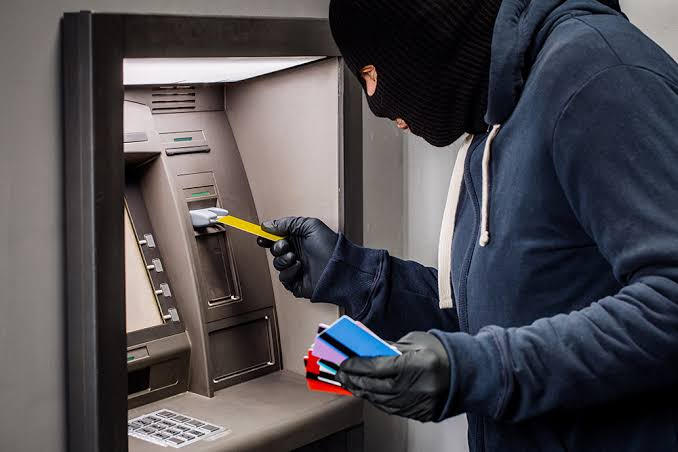
The bank representative told me that some criminals use devices that interfere with an ATM’s ability to return a customer’s card.
Instead of the card being ejected normally, it becomes trapped inside the machine.
The customer assumes the ATM has malfunctioned.
If the customer walks away without blocking the card, criminals may later retrieve it and attempt to misuse it.
That explanation matched my experience almost perfectly.
Then I Remembered the Stranger
The more I thought about it, the more suspicious the helpful stranger seemed.
He wasn’t trying to steal my wallet.
He wasn’t behaving aggressively.
Instead, he remained calm and helpful.
He wanted me to believe the problem was temporary.
If I had followed his advice, become frustrated and eventually walked away, he might have remained behind after I left.
Whether he was actually involved or simply another customer, I couldn’t know for certain.
But the timing made me much more cautious about accepting advice from strangers during banking transactions.
Blocking My Card Was the Best Decision
Because I contacted my bank immediately, my debit card was blocked within minutes.
That meant that even if someone later gained possession of the card, using it would become much more difficult.
Acting quickly significantly reduced the risk of unauthorised transactions.
Sometimes the fastest security response is simply making one phone call.
I Started Looking More Carefully at ATMs
After that experience, I began paying much closer attention before using any ATM.
I looked for signs such as:
- Anything attached around the card slot.
- Loose or damaged components.
- A keypad that looked unusual.
- Objects that didn’t appear to belong to the machine.
Many ATMs are perfectly safe to use.
But taking a few extra seconds to look around the machine became part of my routine.
Fraud Doesn’t Always Look Like Fraud
One thing surprised me most.
The criminals—if criminals were involved—didn’t need sophisticated hacking equipment in front of me.
They relied on something much simpler.
Patience.
They expected the customer to panic, become frustrated, and leave.
Once that happened, the opportunity was created.
The attack depended as much on human behaviour as it did on any physical device.
One Small Habit Changed Everything
Before this incident, if an ATM had kept my card, I probably would have assumed it was a technical fault.
Now I know the safest response is different.
Rather than leaving immediately or following advice from strangers, I contact my bank as quickly as possible and follow their instructions.
That one habit can make a significant difference.
The Experience Changed My Banking Routine
Since that day, I no longer treat ATM transactions as routine.
I pay attention.
I stay alert.
And if something feels unusual, I don’t ignore it.
A few extra minutes of caution are far less expensive than replacing a compromised bank card or dealing with fraudulent transactions.
In the final part of this article, I’ll explain the biggest warning signs of ATM card trapping scams, share practical ATM safety tips, and reveal the simple rule I now follow every time I use a cash machine.
Continue Reading: The ATM That Stole My Debit Card (Part 3)