By Jackson Godwin. Cybersecurity Analyst & Penetration Tester.
The AI Video Call That Fooled Everyone
Disclaimer: This story is fictional but inspired by real AI-enabled impersonation scams reported around the world. It is written to educate readers about deepfake technology, social engineering and how to recognise suspicious video calls.
It Looked Like a Normal Video Call
It was late on a Friday afternoon.
I had just finished work when my phone rang.
This time, it wasn’t a voice call.
It was a video call.
The caller’s name immediately caught my attention.
It was someone I knew well.
Without hesitation, I answered.
The Face Was Familiar
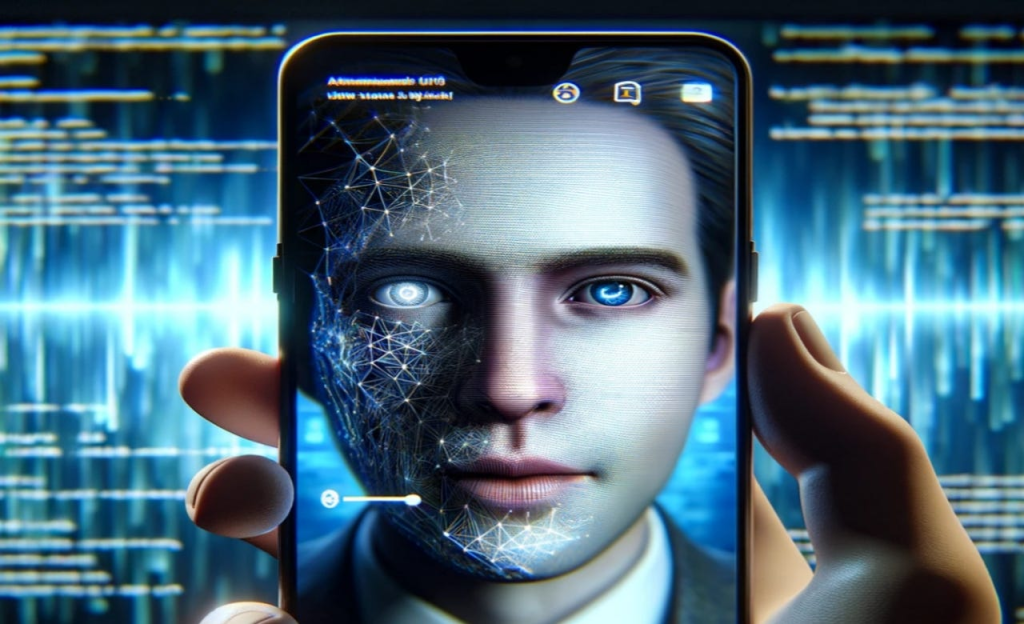
As soon as the call connected, I saw a familiar face smiling back at me.
The lighting looked natural.
The background looked realistic.
The person’s voice sounded exactly as I remembered.
Even the facial expressions seemed normal.
Nothing looked suspicious.
If anyone had asked me at that moment whether the call was genuine, I would have answered without hesitation.
Absolutely.
The Conversation Felt Real
We spent a few minutes talking about everyday things.
Work.
Family.
Life.
The caller even mentioned a recent event that I genuinely remembered.
That immediately lowered my guard.
I wasn’t speaking to a stranger.
I believed I was speaking to someone I trusted.
Then the Problem Appeared
After a few minutes, the caller suddenly became serious.
They explained that they were facing an emergency.
Their online banking wasn’t working.
They couldn’t access their account.
They urgently needed help transferring money to solve the problem.
The request sounded unusual.
But because I recognised the face…
I kept listening.
Everything Matched
The voice.
The appearance.
The expressions.
Even the way they laughed.
It all felt authentic.
If someone had shown me a screenshot of the call, I would have believed it was completely genuine.
That was exactly what made it so dangerous.
The Request Became More Specific
The caller wasn’t asking for a huge amount of money.
Instead, they asked me to send a smaller amount immediately.
They promised to repay it later that evening.
Then they added:
“Please don’t call me right now. My microphone has been acting strangely, and I’m using a poor internet connection.”
That explanation sounded reasonable.
Poor connections happen all the time during video calls.
But looking back…
It was one of the biggest clues.
Something Didn’t Feel Right
As the conversation continued, I noticed a few strange moments.
Sometimes the person’s lips didn’t perfectly match the words.
Occasionally the video froze for a fraction of a second before continuing.
I assumed it was just a weak internet connection.
Most people would.
But those tiny inconsistencies planted a small seed of doubt in my mind.
I Decided to Verify First
Instead of sending the money immediately, I told the caller:
“Let me call you back on your normal number.”
For the first time during the conversation, they looked uncomfortable.
They quickly replied:
“Please don’t. My phone isn’t working properly.”
That response immediately made me suspicious.
So I ended the video call.
What I discovered next shocked me.
The person I had just spoken to…
Had never called me at all.
(Continue in Part 2, where I’ll explain how AI-generated deepfake video calls work, reveal the warning signs I almost ignored, and show how one simple verification exposed the entire scam.)