



By Jackson Godwin. Cybersecurity Analyst & Penetration Tester.
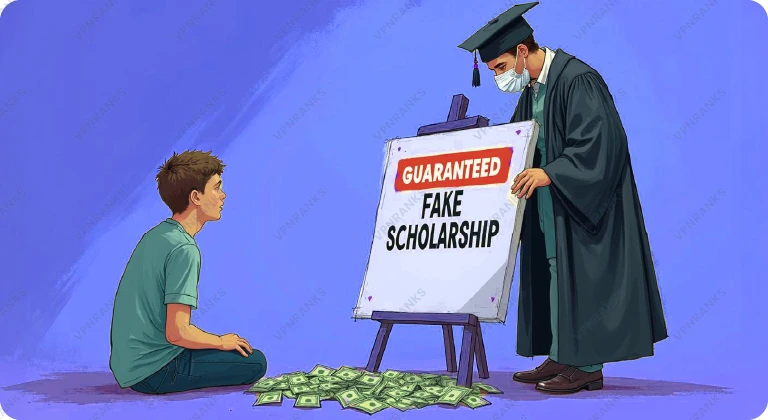
One Email Could Have Cost Me More Than £75
After receiving confirmation from the university that the scholarship offer was fake, I sat quietly for a few minutes.
I kept thinking about how close I had come to making the payment.
The amount wasn’t huge.
It was £75.
But then I realised something important.
The money wasn’t the real target.
The scammers wanted something much bigger.
They wanted my trust.
If I had paid the registration fee, they would probably have asked for more money later.
Perhaps a visa processing fee.
Then, accommodation fees.
Then insurance.
Then “document verification.”
Before long, I could have lost hundreds or even thousands of pounds chasing a scholarship that never existed.
The Biggest Warning Signs I Almost Ignored
Looking back, the warning signs were there from the beginning.
Here are the biggest lessons every student should know.
🚩 Scholarships That Require Upfront Fees
This was the biggest red flag.
The scammers claimed I needed to pay a registration fee before my scholarship could be processed.
Many genuine scholarships do not require applicants to pay upfront simply to receive or accept the award.
Some legitimate programmes may have separate application or testing costs, depending on the institution or country, but you should always verify those charges directly through official university or scholarship websites.
Never rely solely on information in an email.
🚩 Pressure to Act Quickly
The email gave me only 48 hours to make the payment.
That deadline wasn’t there to help me.
It was there to stop me from thinking.
Scammers often use short deadlines because they don’t want victims to verify the information.
Whenever someone says:
“Pay today or lose everything.”
Slow down.
Take your time.
Verify first.
🚩 Fake Email Addresses
The sender’s email looked genuine.
Until I examined it carefully.
One missing letter.
One extra word.
A different domain name.
That was all it took to make a fake email appear authentic.
Always check the complete email address—not just the display name.
🚩 Poor Verification
When I searched independently, I couldn’t find the scholarship anywhere on the university’s official website.
That was another major warning sign.
If a scholarship cannot be confirmed through official university channels, don’t assume it’s genuine.
🚩 Requests for Payment to Personal Accounts
The payment instructions directed money to an individual account instead of an official university payment system.
That immediately raised concerns.
Whenever you’re asked to send money, make sure you clearly understand who is receiving it and why.
If anything feels unusual, stop and verify.
How to Protect Yourself From Scholarship Scams
If you receive an unexpected scholarship offer, follow these simple steps.
Visit the Official Website
Never rely only on links provided in emails.
Type the university’s website address into your browser yourself.
Look for the scholarship there.
Contact the University
If you’re unsure, email or call the admissions office using the contact information published on the university’s official website.
A genuine university can confirm whether the offer is real.
Research the Scholarship
Search online for:
- Independent news.
- University announcements.
- Student discussions.
- Official scholarship listings.
Don’t depend only on information provided by the sender.
Be Careful With Fees
If you’re asked to pay:
- Registration fees.
- Processing fees.
- Verification fees.
- Acceptance fees.
Ask questions.
Understand exactly what the payment is for.
Verify it independently before sending any money.
Keep Copies of Everything
Save:
- Emails.
- Scholarship letters.
- Payment requests.
- Contact details.
If the offer turns out to be fraudulent, those records may help when reporting the incident.
Frequently Asked Questions
Are all scholarships that involve fees scams?
No.
Some universities or organisations may charge legitimate application or examination fees that are separate from the scholarship itself.
The important thing is to verify any payment request directly through the institution’s official channels before paying.
Can scammers copy university logos?
Yes.
Logos, signatures and official-looking documents can be copied.
A professional design is not proof that an offer is genuine.
How do I know if a scholarship is real?
The safest approach is to verify it through:
- The university’s official website.
- The official admissions or scholarship office.
- Trusted scholarship portals.
Don’t rely solely on emails or social media posts.
What should I do if I have already paid?
If you believe you’ve been scammed:
- Contact your bank or payment provider as soon as possible.
- Report the incident to the relevant law enforcement or cybercrime authorities in your country.
- Inform the university whose name was used in the scam, so they are aware of the impersonation.
Acting quickly may improve the chances of limiting further harm.
Final Thoughts
Education changes lives.
Scholarships open doors.
They create opportunities that many students work incredibly hard to achieve.
Sadly, scammers understand this.
They know students dream of studying abroad.
They know families are willing to make sacrifices for education.
And they exploit those dreams for financial gain.
The fake scholarship email almost succeeded because it looked professional, created urgency and offered hope.
Fortunately, one simple habit protected me.
I verified the offer independently.
The next time you receive an unexpected scholarship email, remember this:
Don’t let excitement replace verification.
A genuine scholarship will still be there after you’ve confirmed it’s real.
A scam depends on you acting before you think.
About the Author
Jackson Godwin is a Cybersecurity Consultant specialising in Vulnerability Assessment and Penetration Testing (VAPT), Governance, Risk and Compliance (GRC), ISO/IEC 27001, PCI DSS, Cloud Security, AI Security, and Digital Risk Management.
With years of experience helping organisations identify vulnerabilities, strengthen security controls, and improve cyber resilience, Jackson is passionate about making cybersecurity practical, easy to understand, and accessible to everyone.
Through JacksonTechnology.com.ng, he publishes cybersecurity awareness stories, ethical hacking tutorials, compliance guides, cloud security insights, AI security resources, and practical online safety tips to help individuals, students, and businesses stay protected against evolving cyber threats.
His mission is to educate, empower, and inspire safer digital habits—one cybersecurity story at a time.