



By Jackson Godwin. Cybersecurity Analyst & Penetration Tester.
The AI Voice Call That Sounded Exactly Like My Brother
Disclaimer: This story is fictional but inspired by real AI voice-cloning scams reported around the world. It is written to educate readers about emerging cyber threats and how to recognise them.
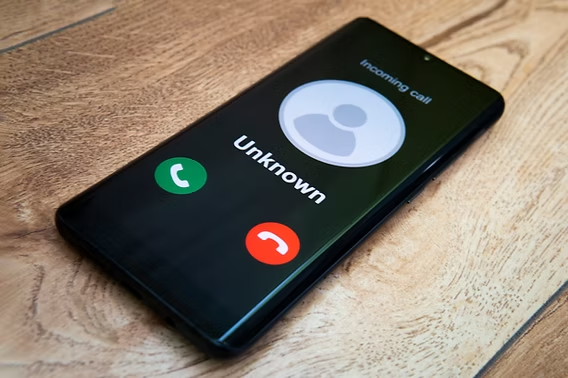
The Phone Rang at the Worst Possible Time
It was just after 9:30 p.m.
I had finally finished work and was preparing to relax when my phone started ringing.
The caller ID displayed my brother’s name.
Without thinking twice, I answered.
“Hello?”
Before I could say anything else, I heard his voice.
“Bro… I need your help.”
The voice was unmistakable.
The tone.
The accent.
The way he pronounced certain words.
Everything sounded exactly like my brother.
He Sounded Terrified
He wasn’t speaking normally.
His voice was shaky.
He sounded frightened.
Almost desperate.
“Please don’t ask too many questions.”
“Something has happened.”
Immediately, my heart started racing.
When someone you love sounds scared, logic often takes a back seat.
Your first instinct is simply to help.
That’s exactly what whoever was behind the call was counting on.
The Story Was Convincing
He explained that he had been travelling.
His wallet had supposedly been stolen.
His phone battery was almost dead.
He urgently needed money to solve the situation.
He kept repeating,
“Please send it quickly.”
Nothing about the story sounded impossible.
Unexpected emergencies happen.
People lose wallets.
Phones run out of battery.
The explanation felt believable because it was realistic.
The Voice Was Perfect
If someone had played me that recording without any context, I would have recognised it immediately.
It sounded exactly like my brother.
Even the small habits in his speech were there.
The short pauses.
The laugh.
The familiar expressions he always used.
At that moment, I wasn’t thinking about artificial intelligence.
I simply believed I was talking to family.
Then Something Felt Different
As the conversation continued, I noticed one small detail.
He avoided answering personal questions.
Whenever I asked,
“Where exactly are you?”
He gave vague answers.
When I asked,
“Which police station are you near?”
He ignored the question.
Instead, he kept returning to the same request.
“Please send the money first.”
That repetition made me uncomfortable.
The Pressure Increased
He became more emotional.
“Bro, I don’t have time.”
“Please trust me.”
“I’ll explain everything later.”
The urgency was intense.
He wanted me to act immediately.
Not think.
Not verify.
Just send the money.
That was my first real warning sign.
I Almost Opened My Banking App
My finger was already moving toward my banking application.
If the amount had been small enough, I might have transferred it immediately.
But before confirming the payment, I stopped.
Something my cybersecurity training had taught me came back to mind.
Always verify unexpected requests involving money.
No matter who appears to be asking.
I Asked One Question
Instead of sending the money, I asked something only my real brother would know.
There was silence.
A few seconds passed.
Then he laughed nervously.
“Bro… we don’t have time for that right now.”
That answer completely changed the situation.
My brother would never respond like that.
The Call Ended Suddenly
Before I could ask another question, the call disconnected.
I immediately called my brother using the number I already had saved in my phone.
He answered after a few rings.
Calm.
Relaxed.
Completely unaware of what had just happened.
He was sitting comfortably at home watching football.
He hadn’t called me.
He hadn’t lost his wallet.
He hadn’t asked for money.
Someone had used technology to imitate his voice.
And for a few terrifying minutes…
I had believed it.
(Continue in Part 2, where I’ll explain how AI voice cloning scams work, how criminals obtain voice samples, and why these attacks are becoming increasingly convincing.)